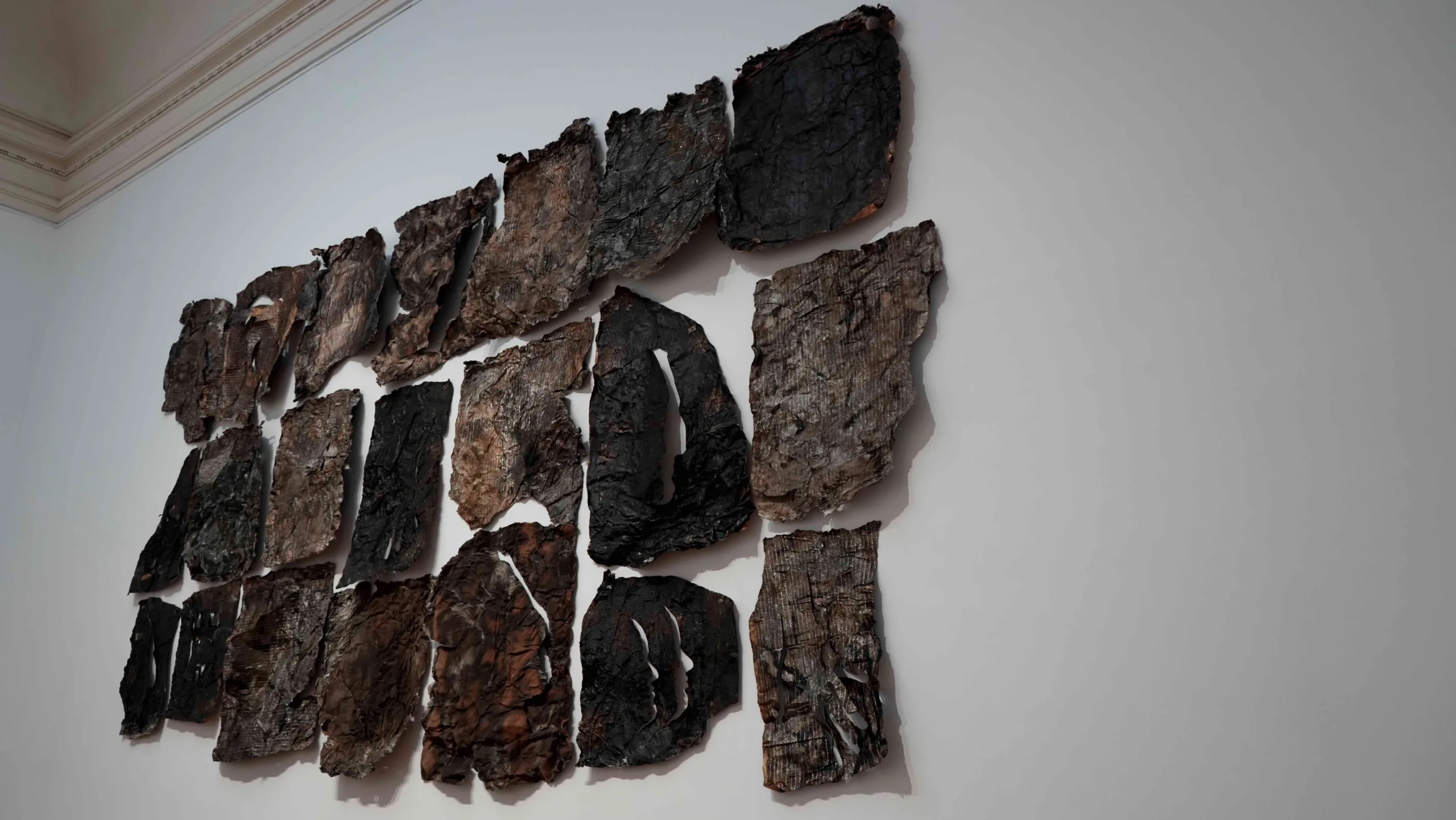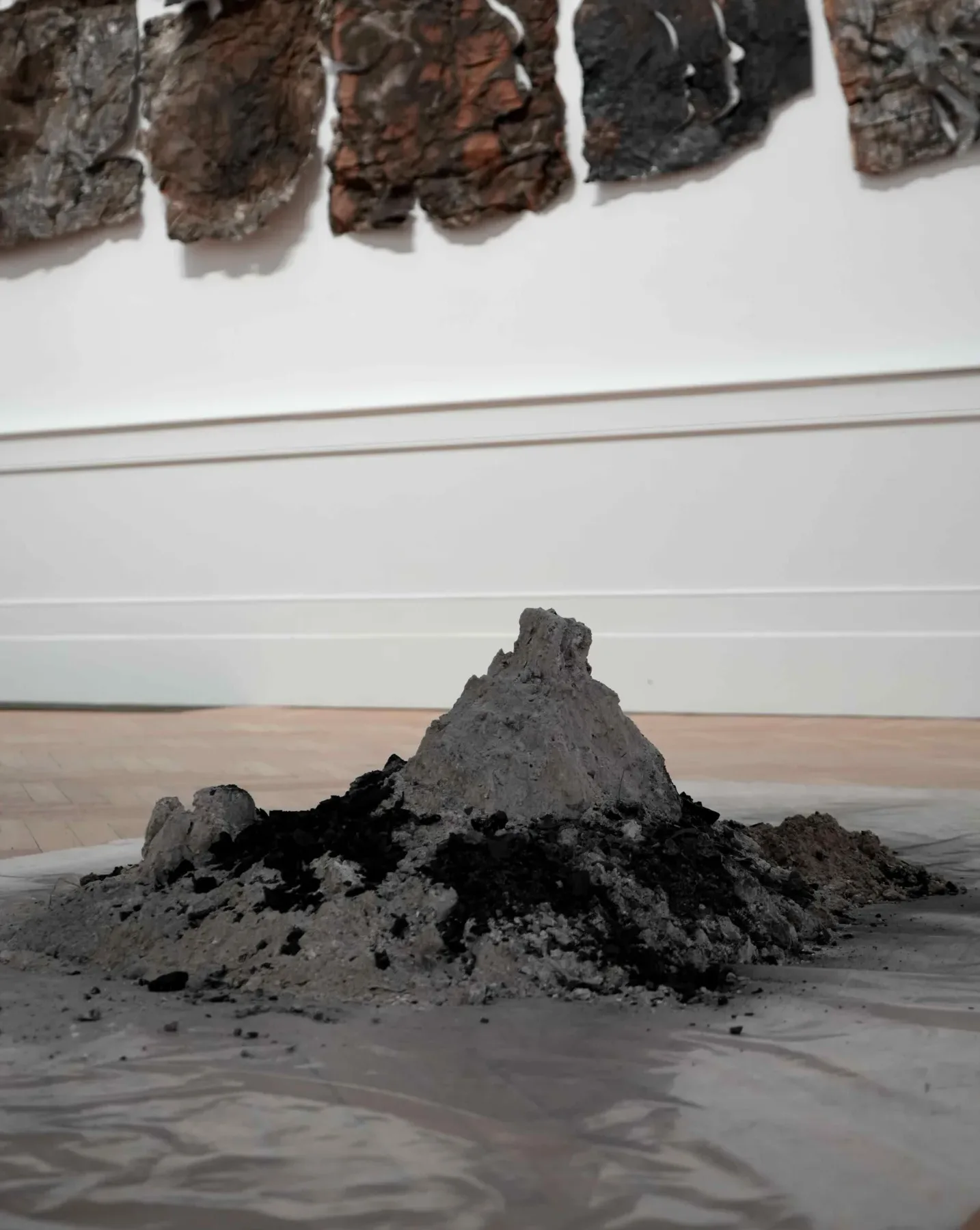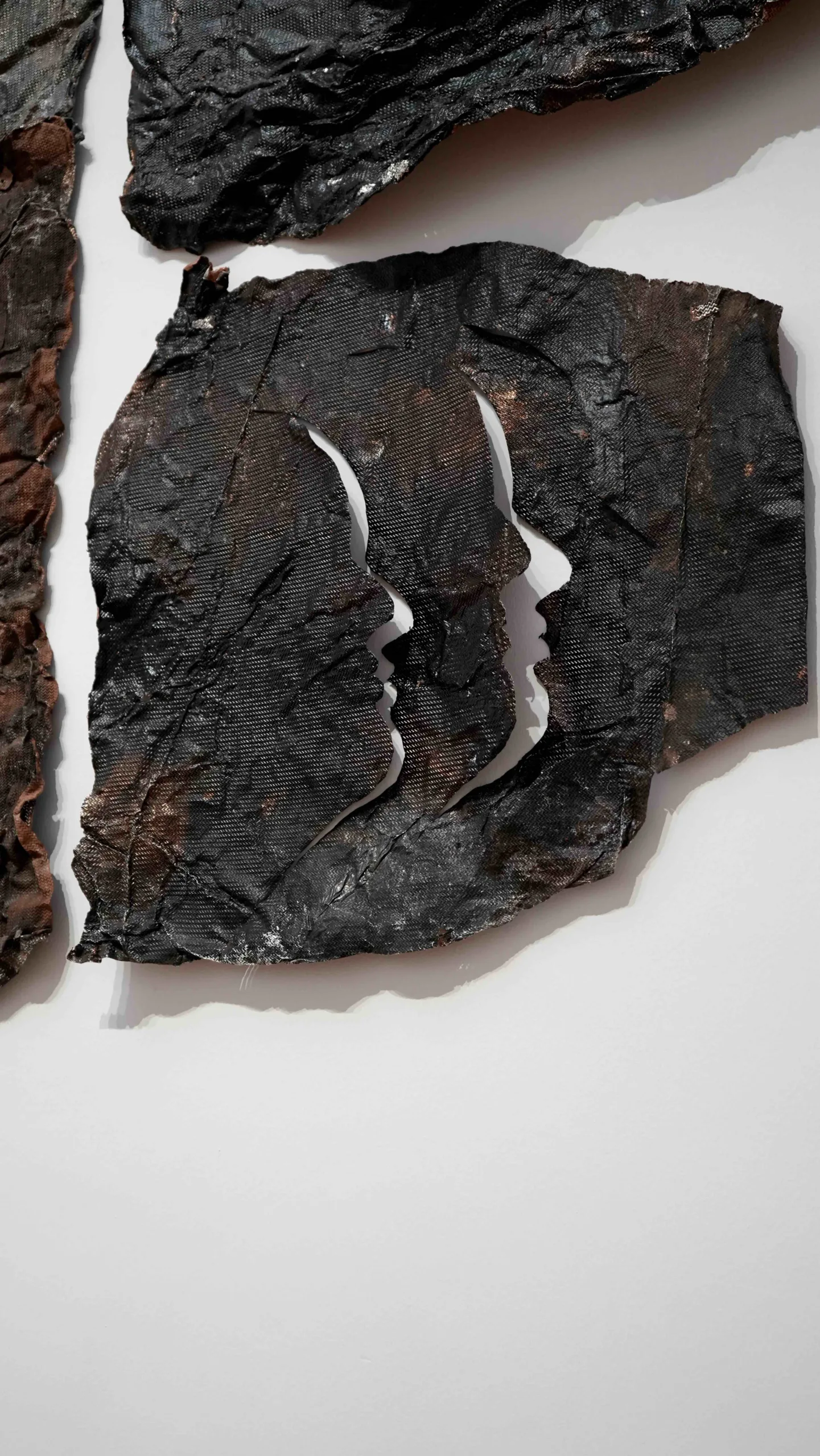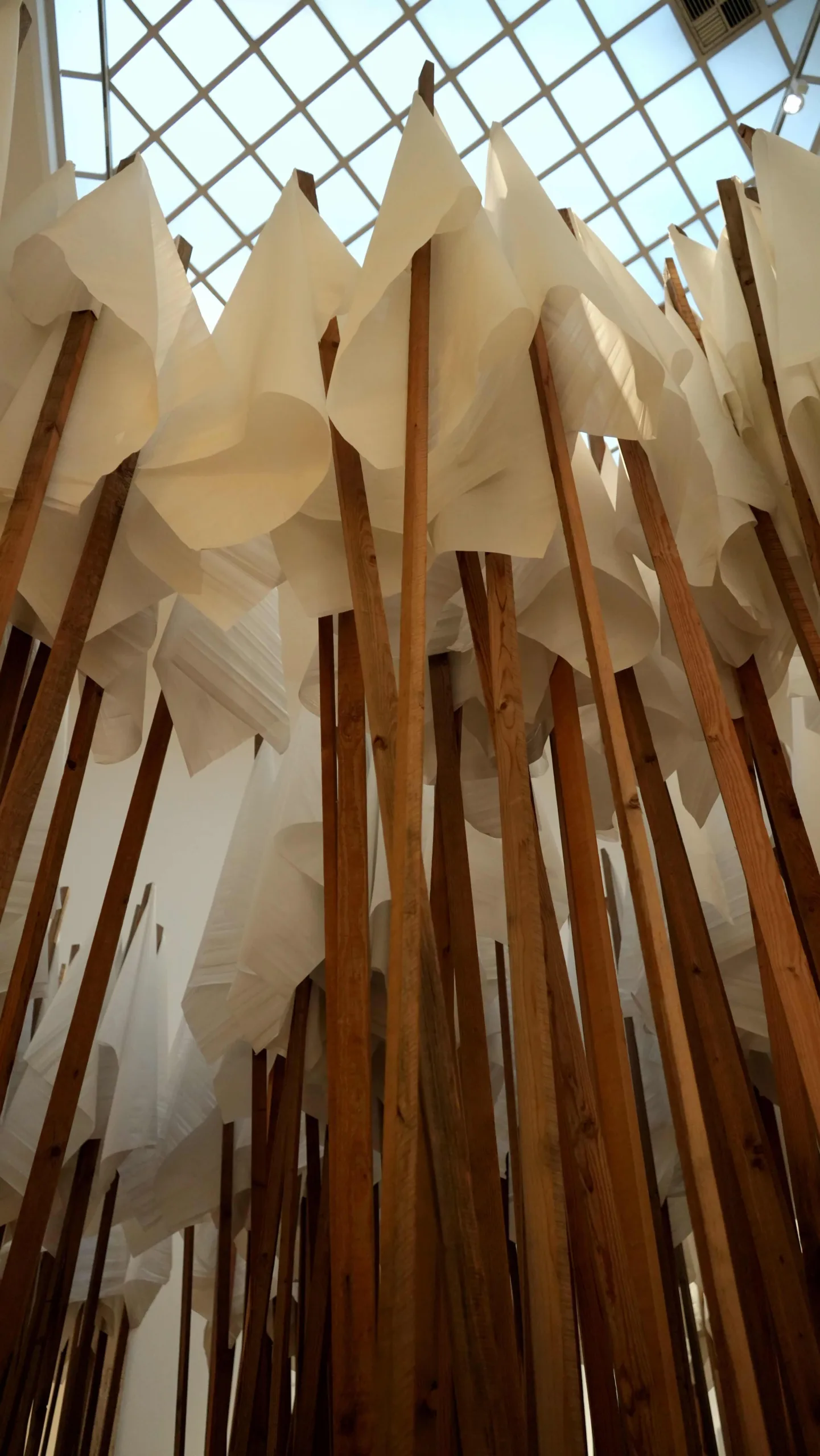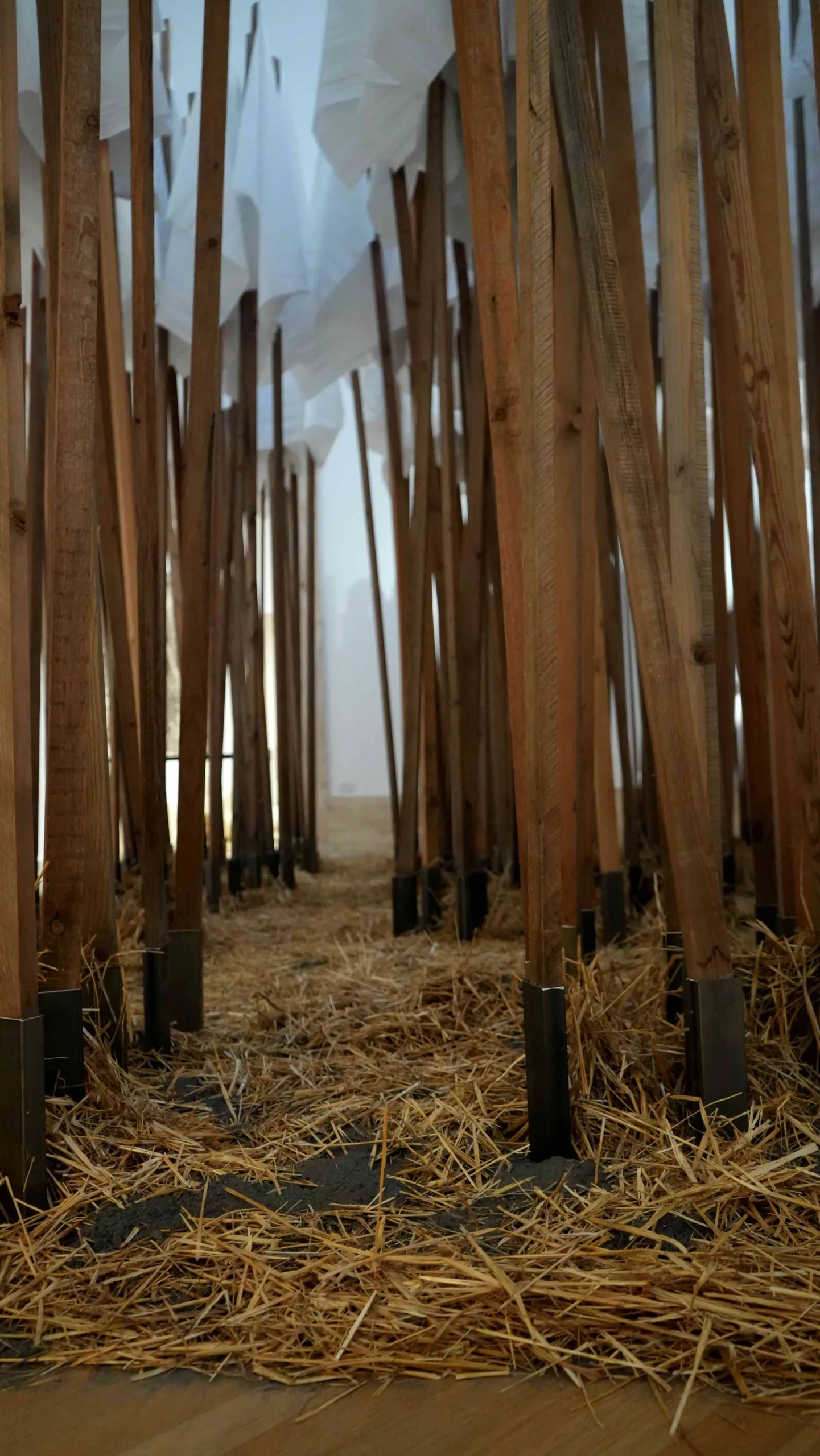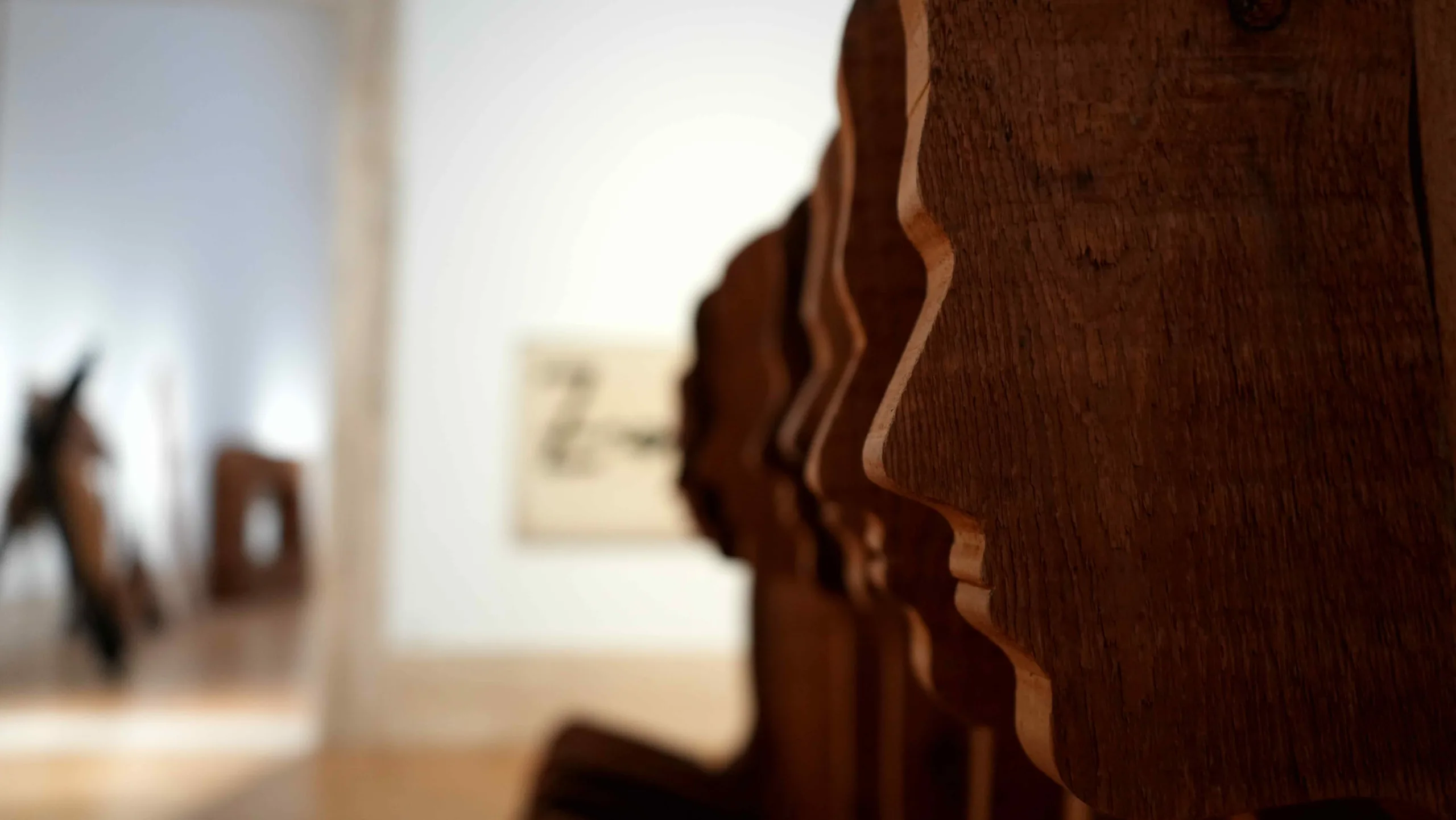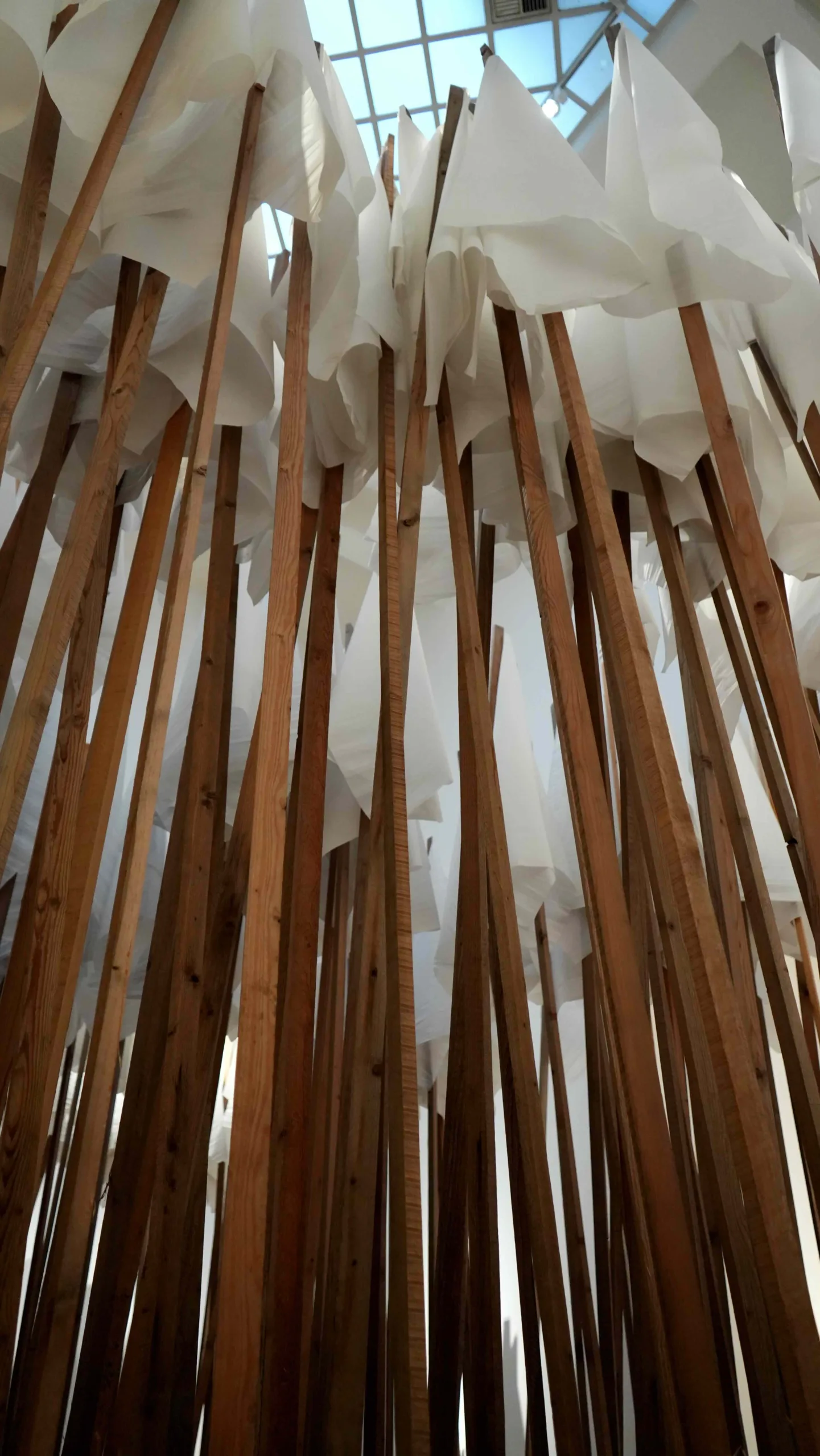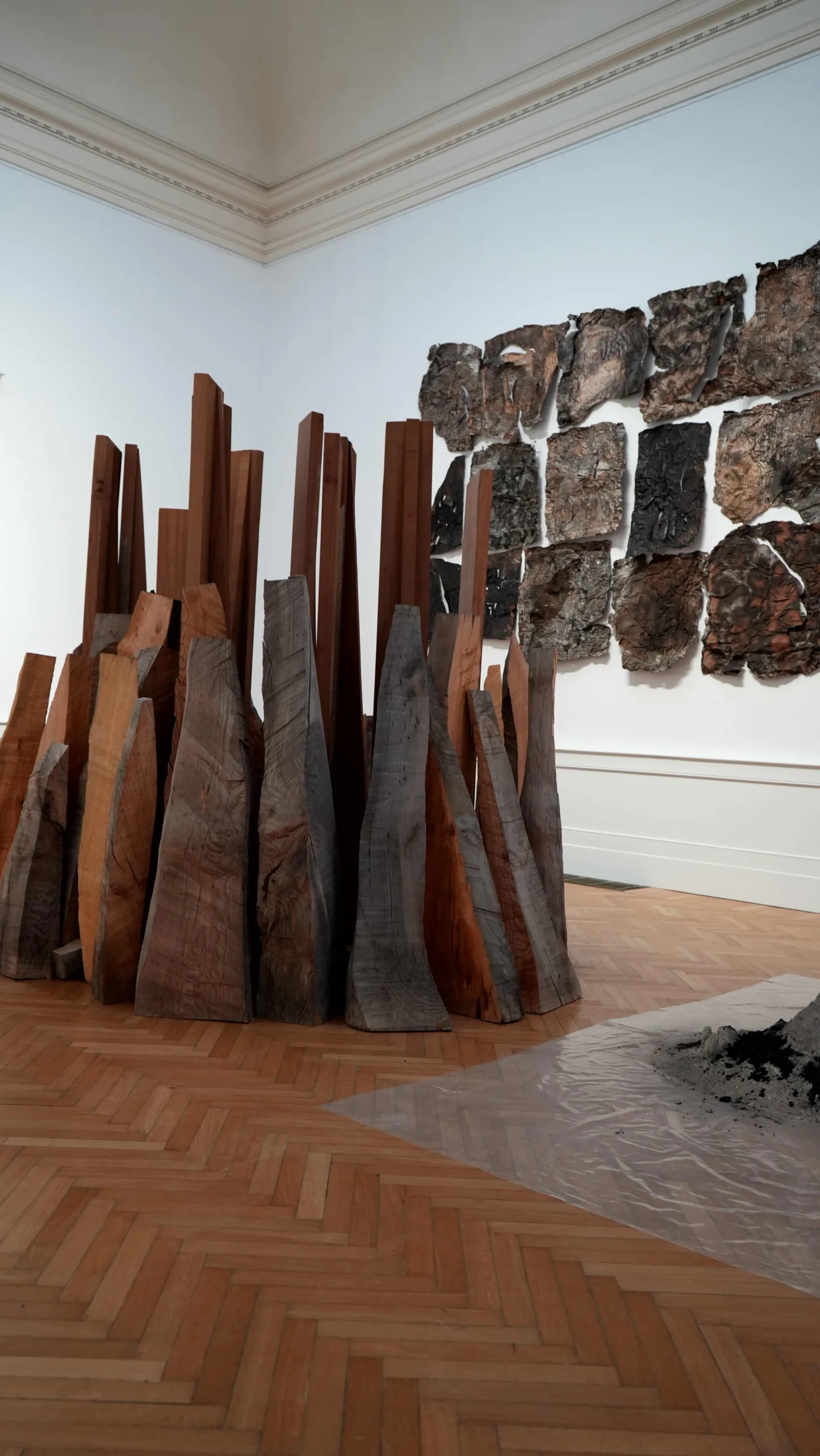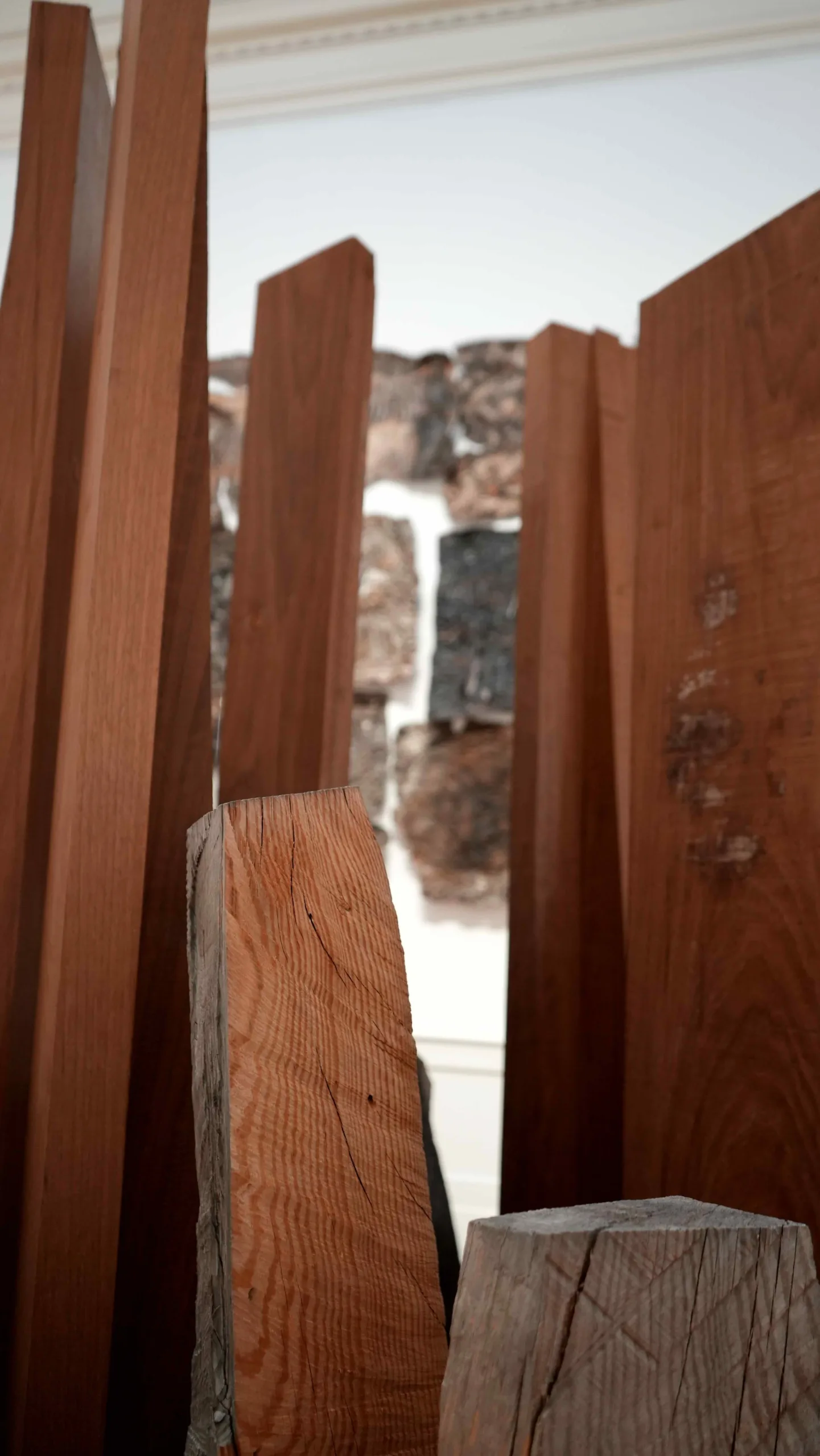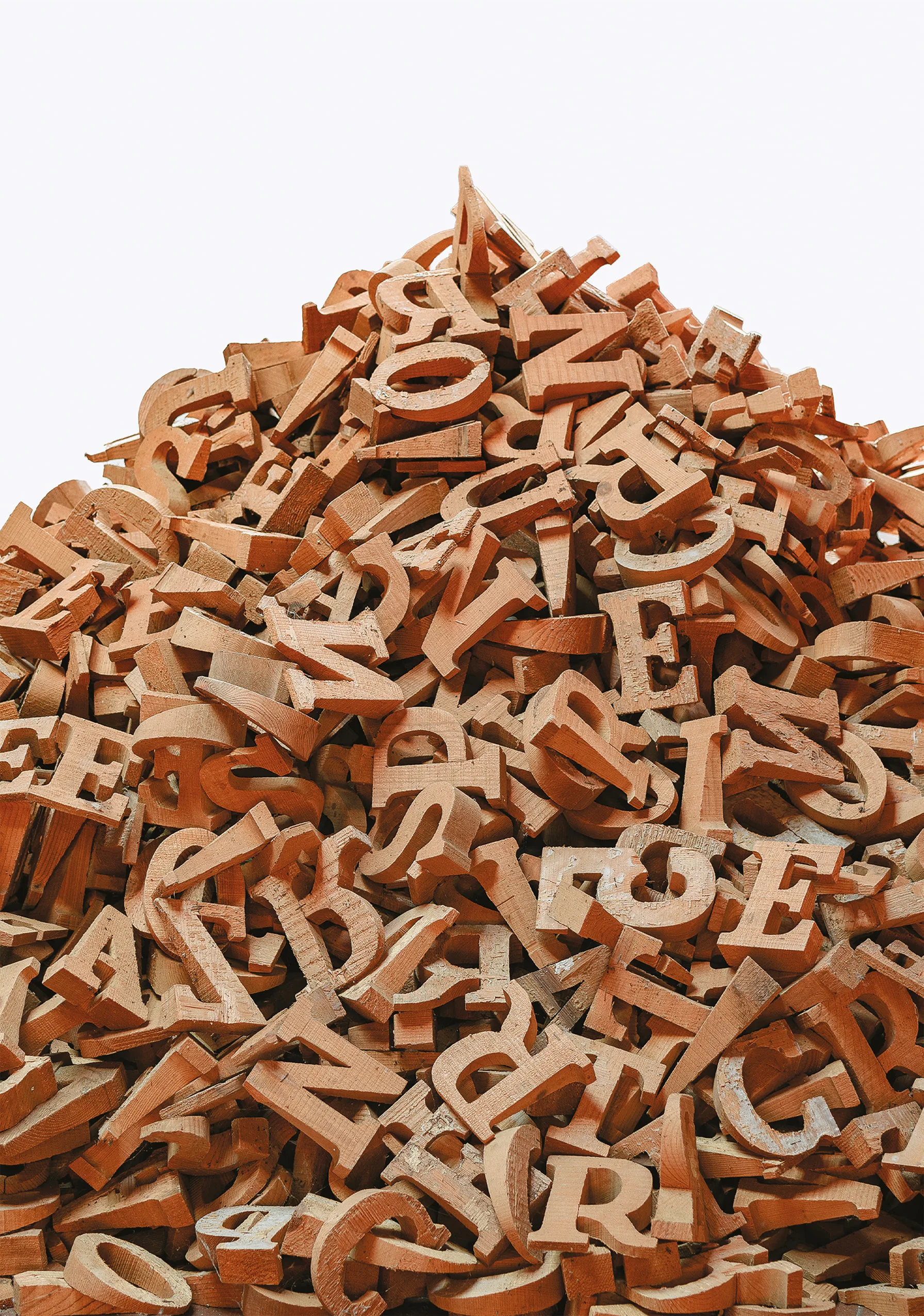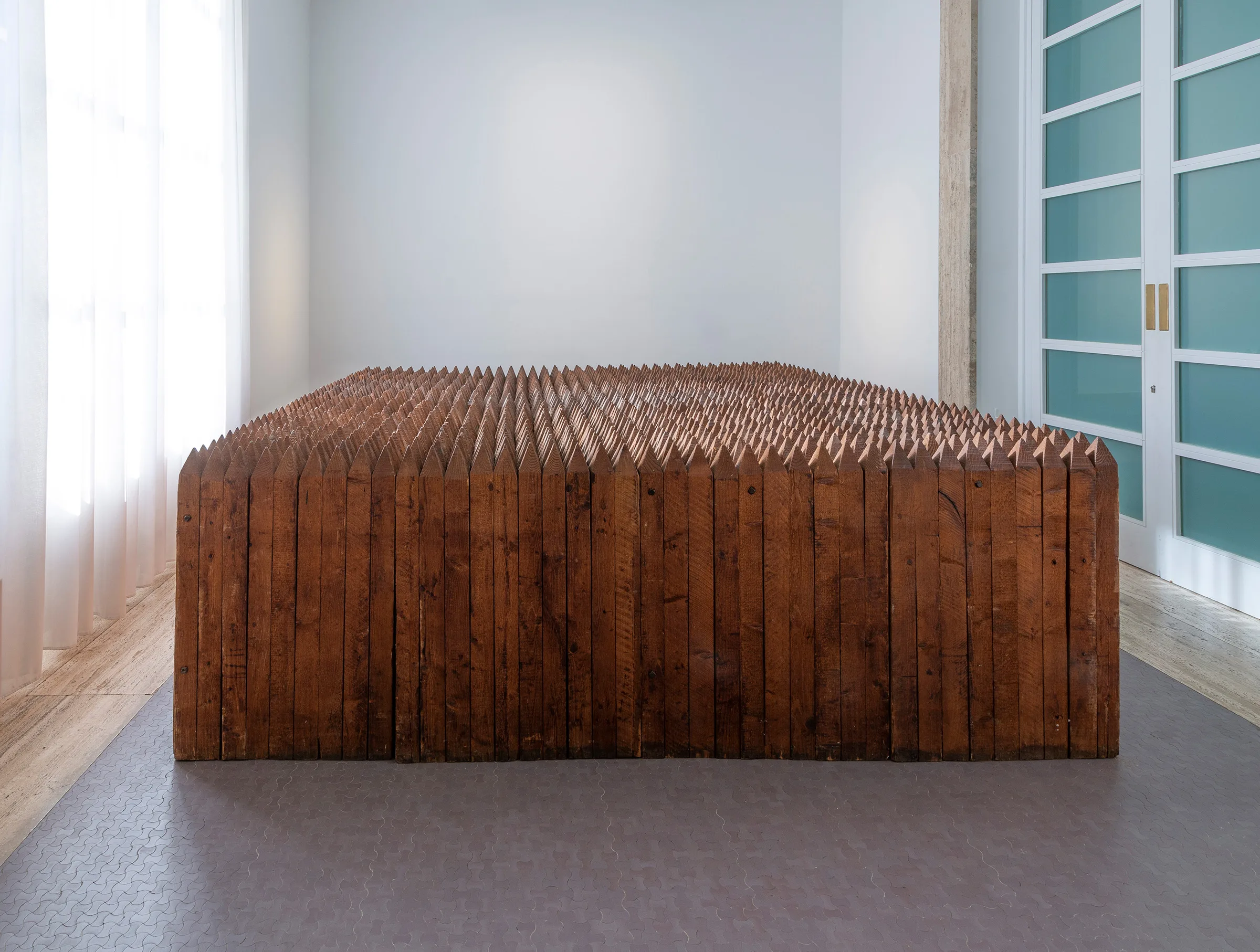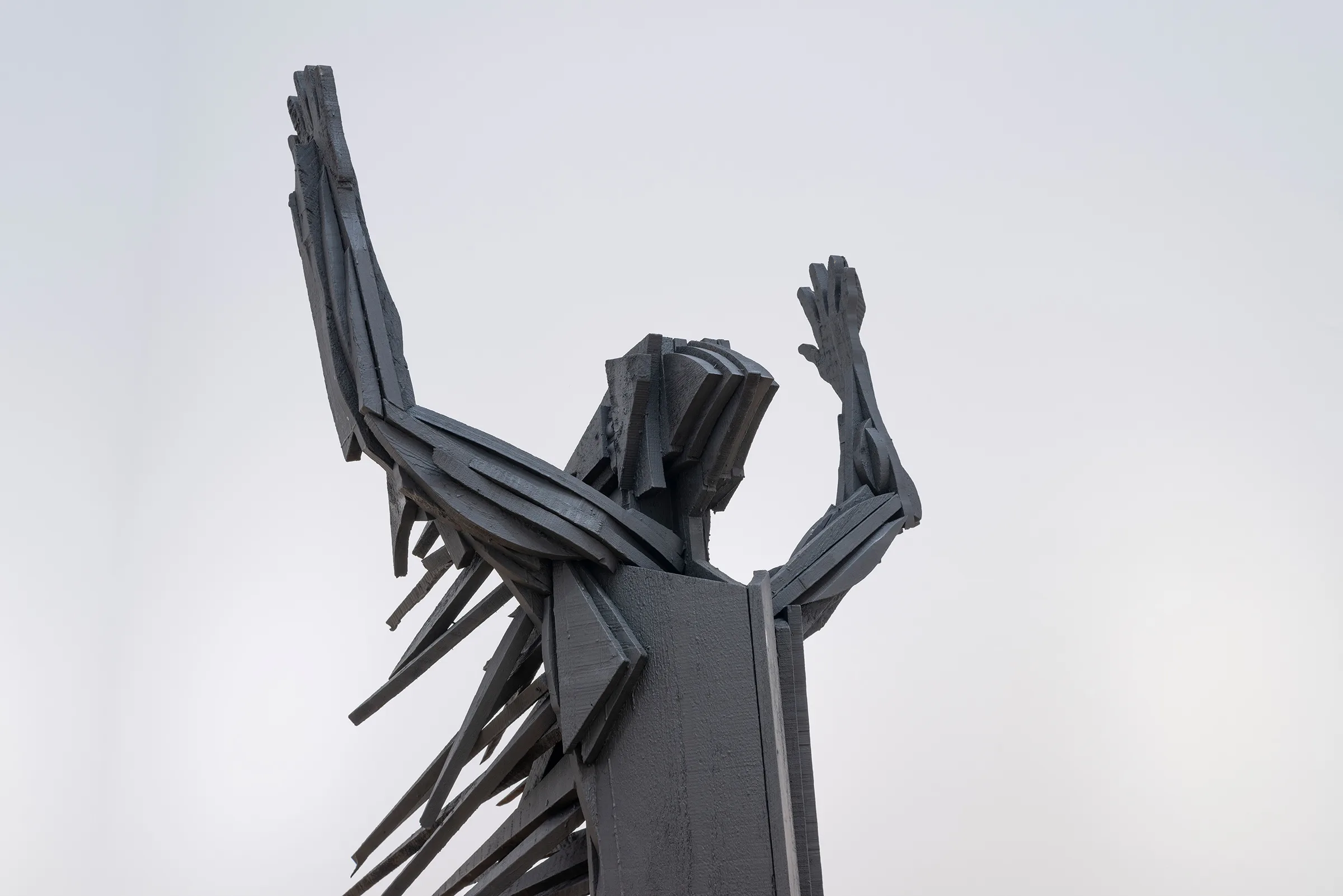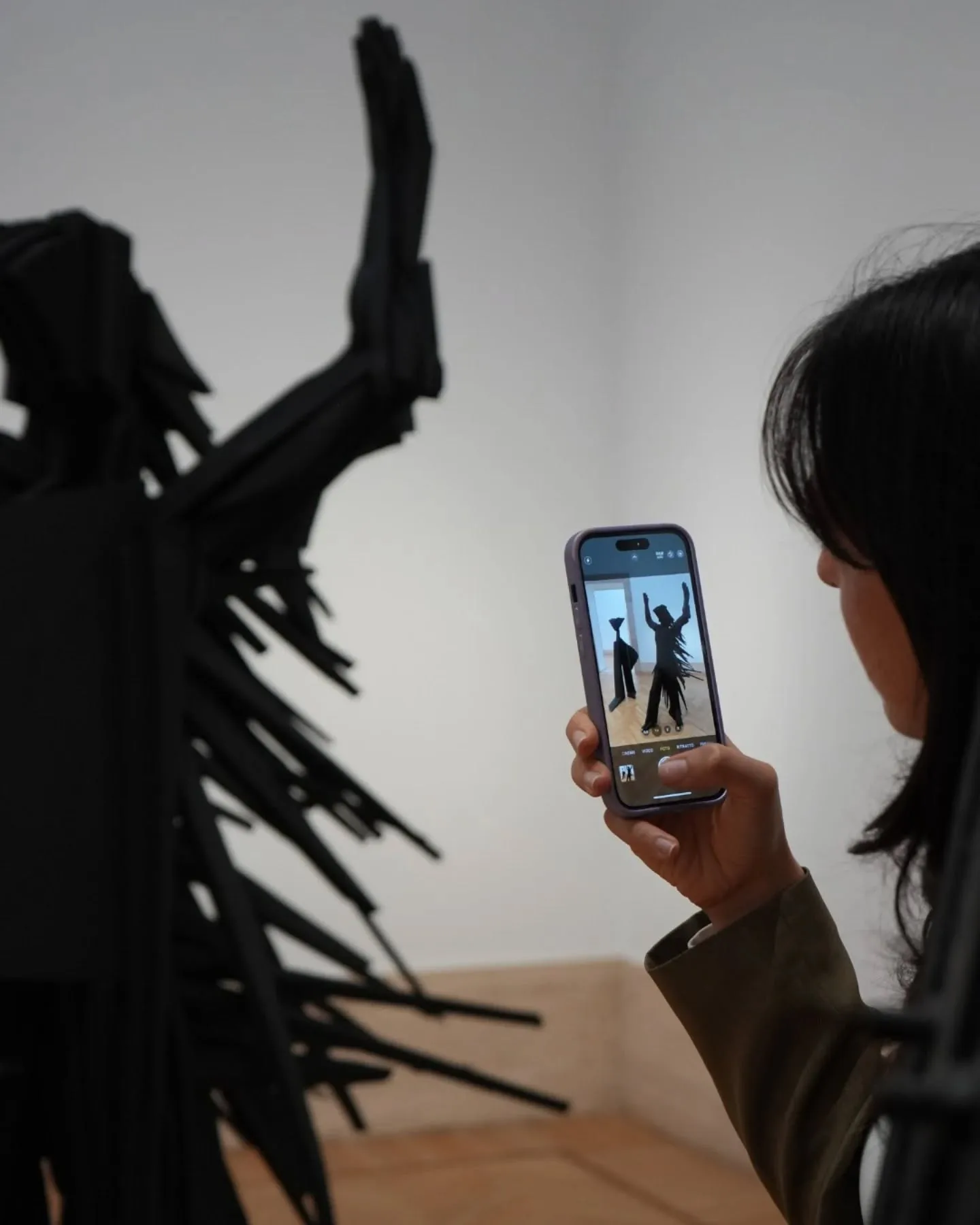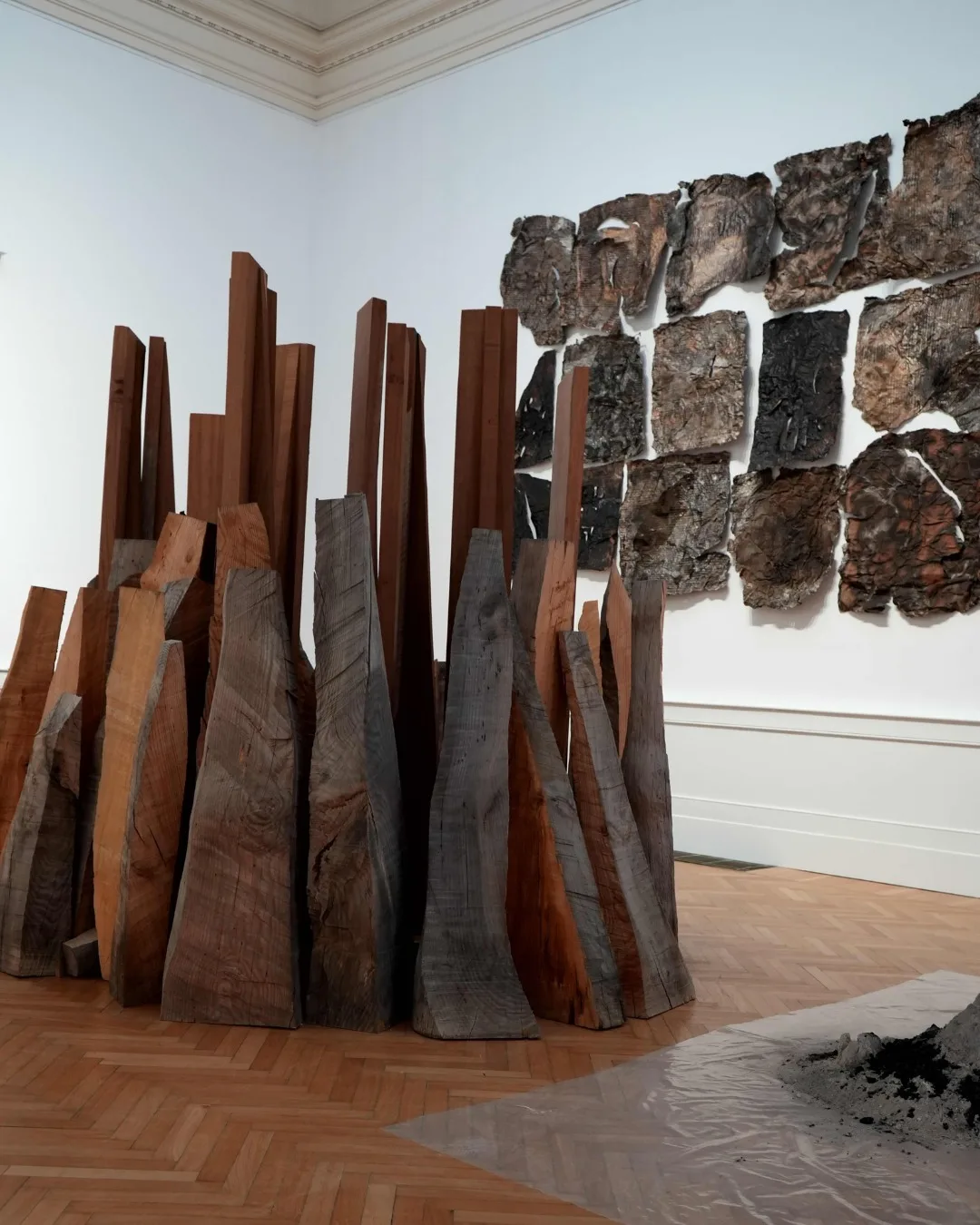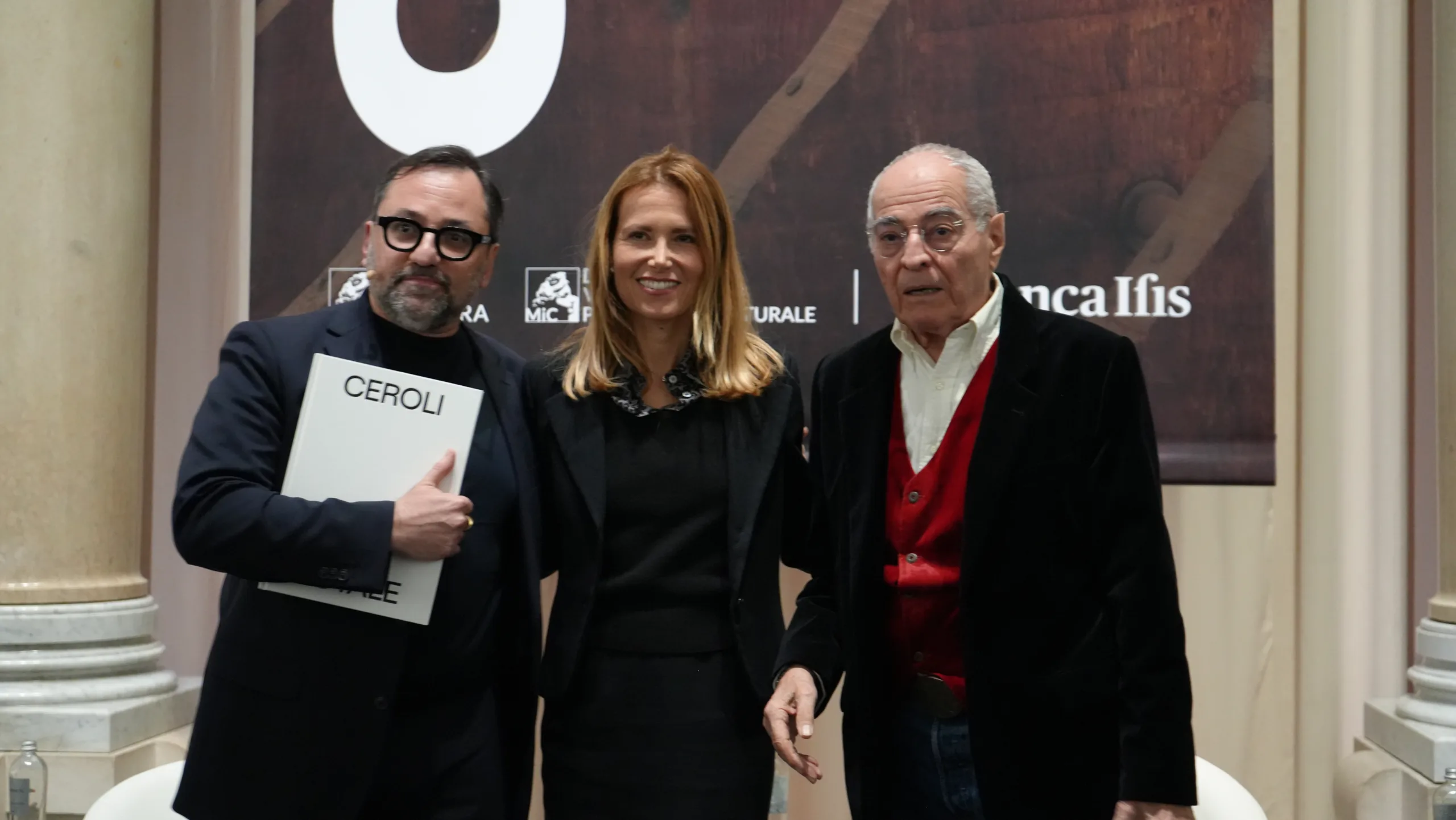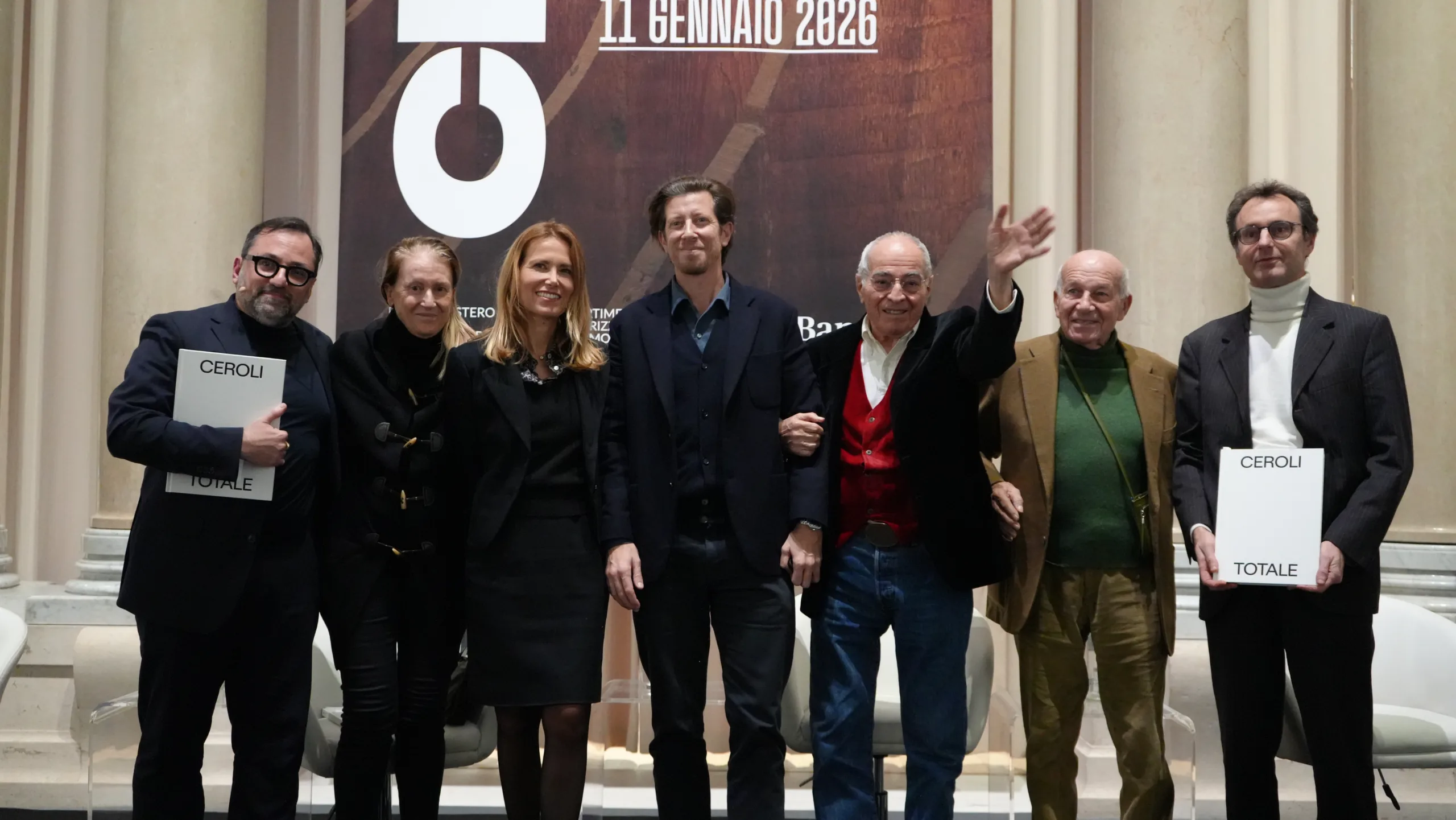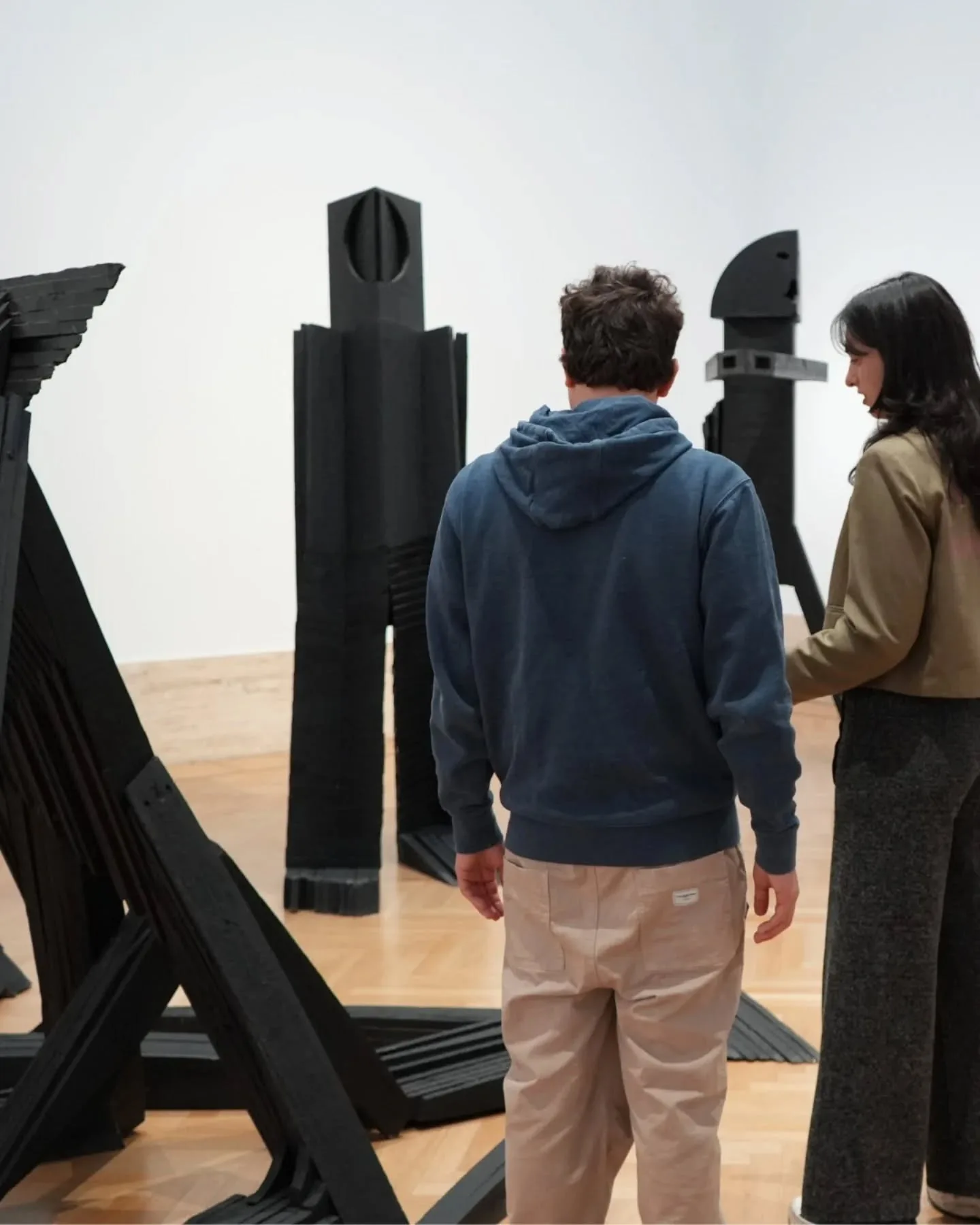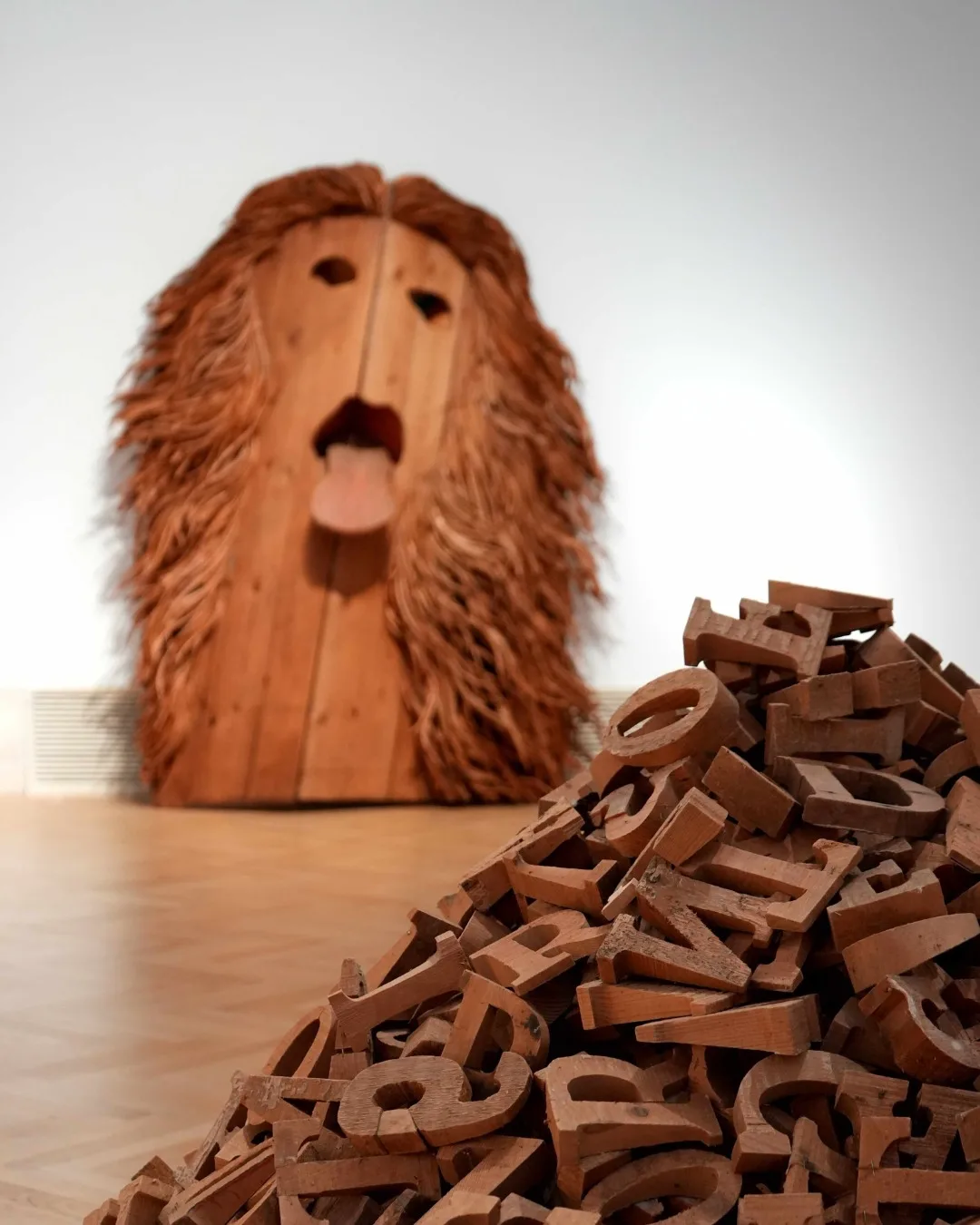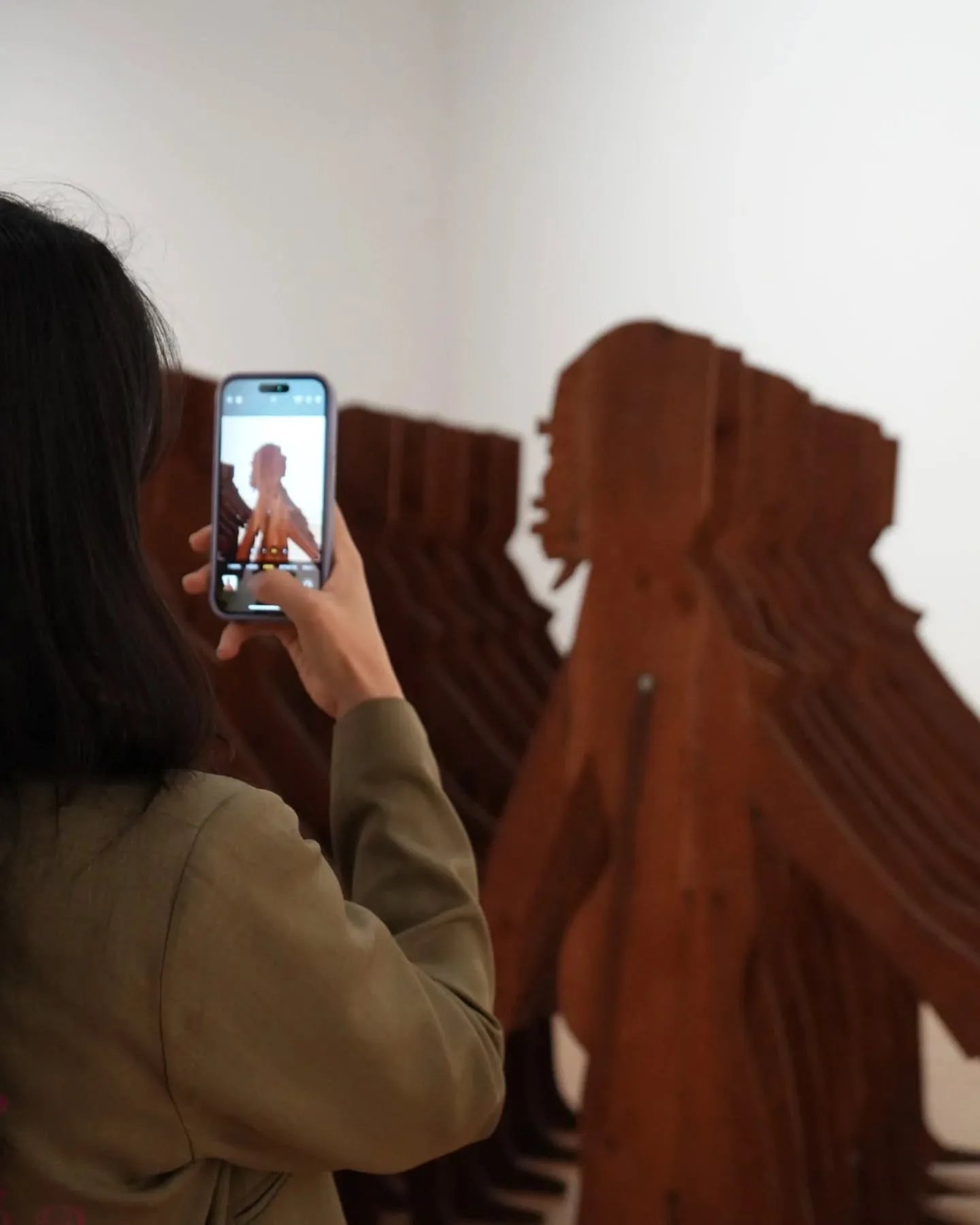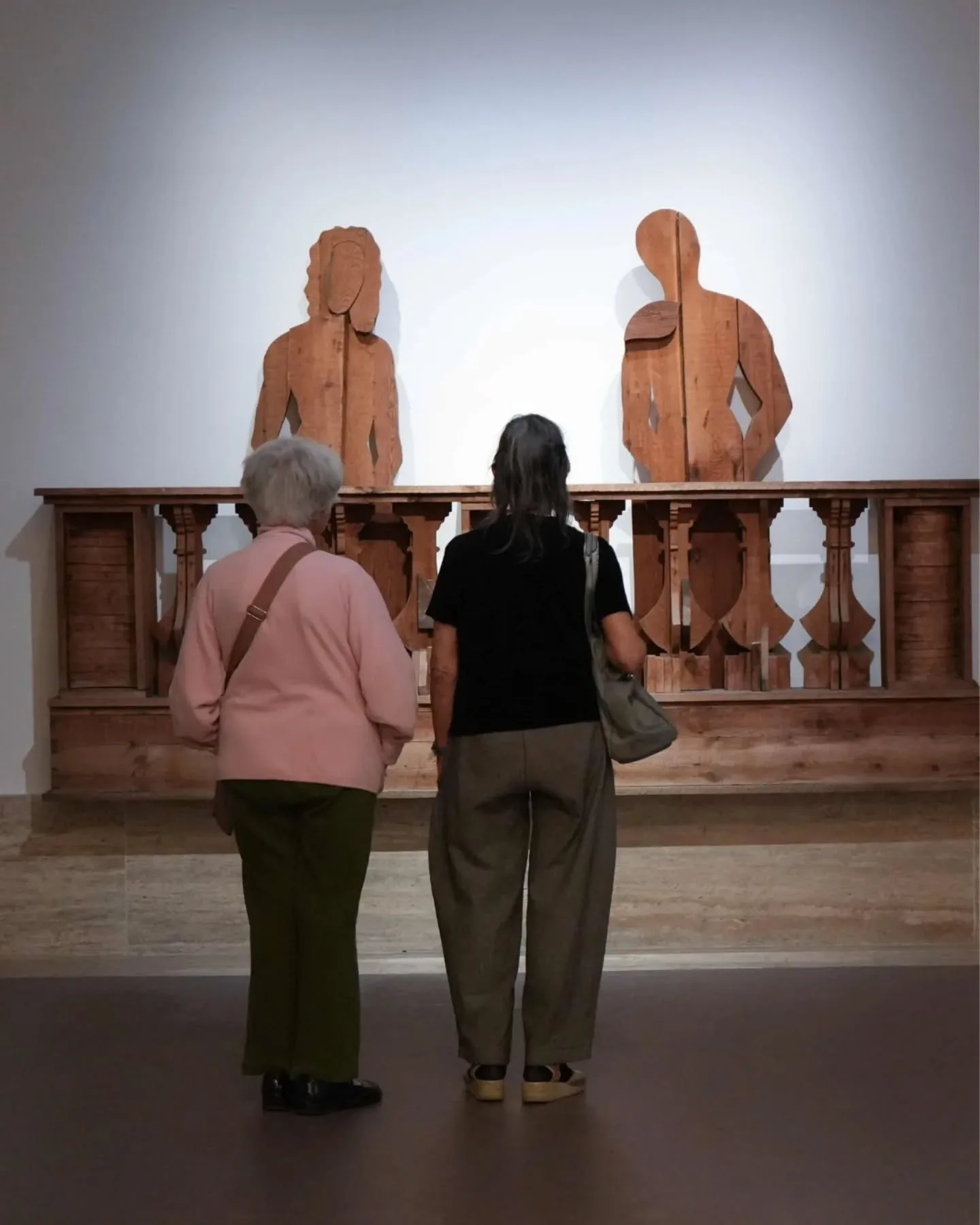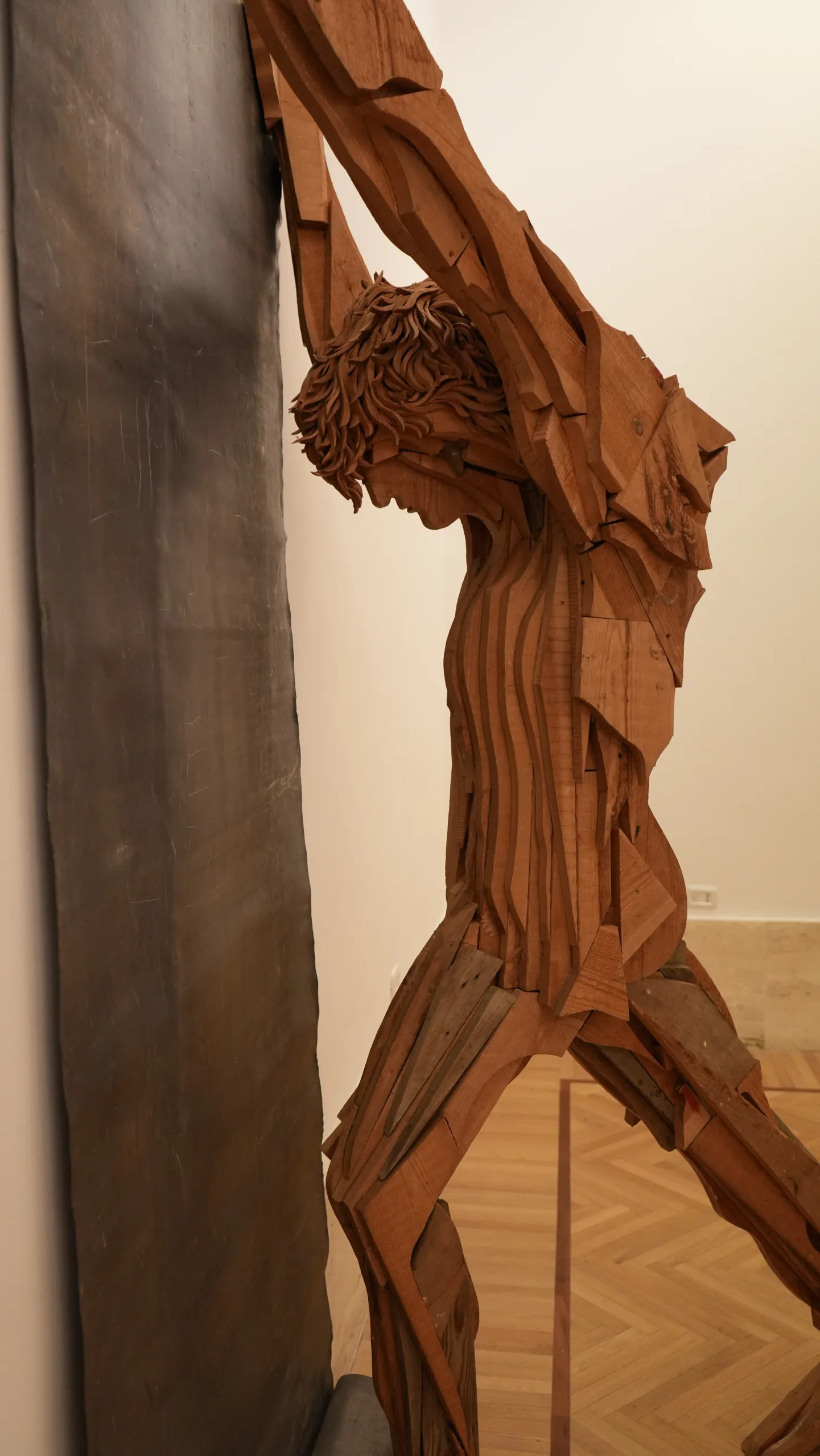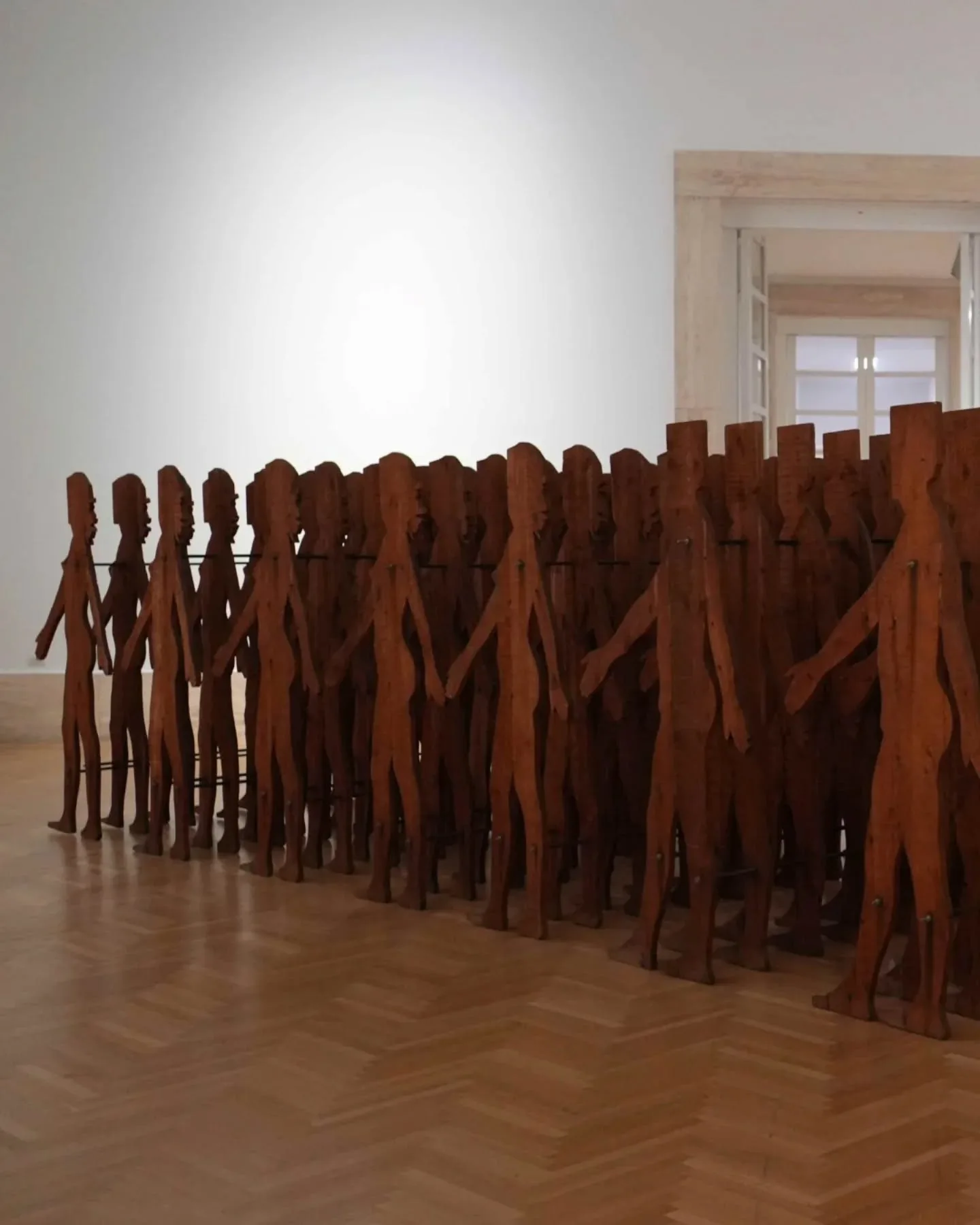
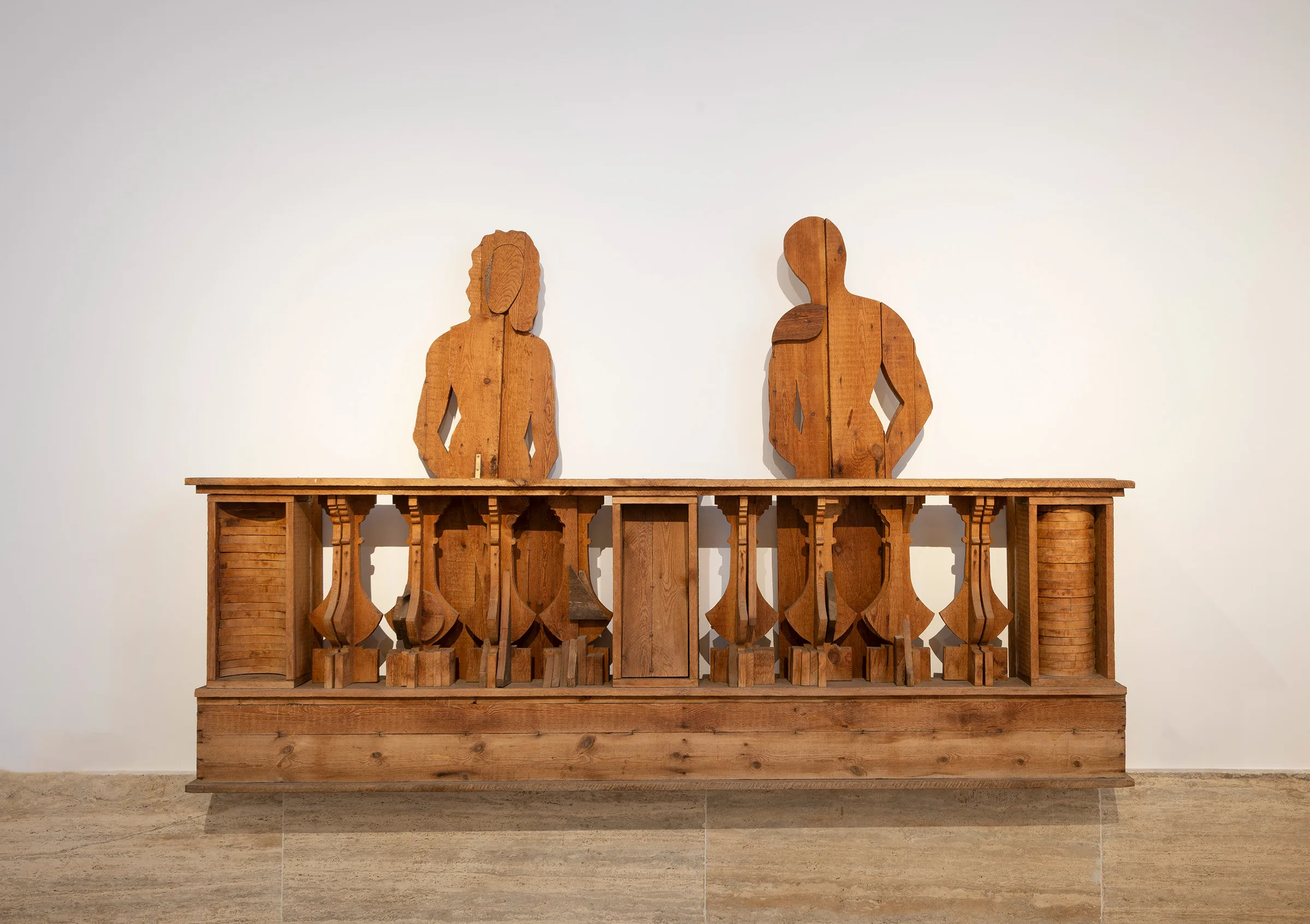
As part of the “Artista alla GNAMC” (Artist at GNAMC) programme, the Galleria Nazionale d’Arte Moderna e Contemporanea selected Mario Ceroli as its Artist of the Year 2025. Promoted and organised by director Renata Cristina Mazzantini, the initiative draws inspiration from the visiting artist programmes of major international institutions and adopts the formula “one year, one artist, one room”, dedicating a focused exhibition space and a programme of events for the public, scholars and students to a leading figure in contemporary Italian art. Within this framework, CEROLI TOTALE (TOTAL CEROLI), the major monographic exhibition hosted by GNAMC from 7 October 2025 to 11 January 2026, traced more than seventy years of artistic research through a selection of sculptures and installations from the collections of the Galleria, Banca Ifis and the artist himself. Bringing together historic works and more recent pieces, the exhibition offered a comprehensive overview of one of the most significant figures in Italian art of the second half of the twentieth century. For the Artista alla GNAMC programme, Ceroli also created two site-specific works, La grande quercia (The Great Oak) and Le ceneri (The Ashes), conceived specifically for the museum’s spaces as an integral part of the dialogue between the artist, the collection and the public.
The Exhibition
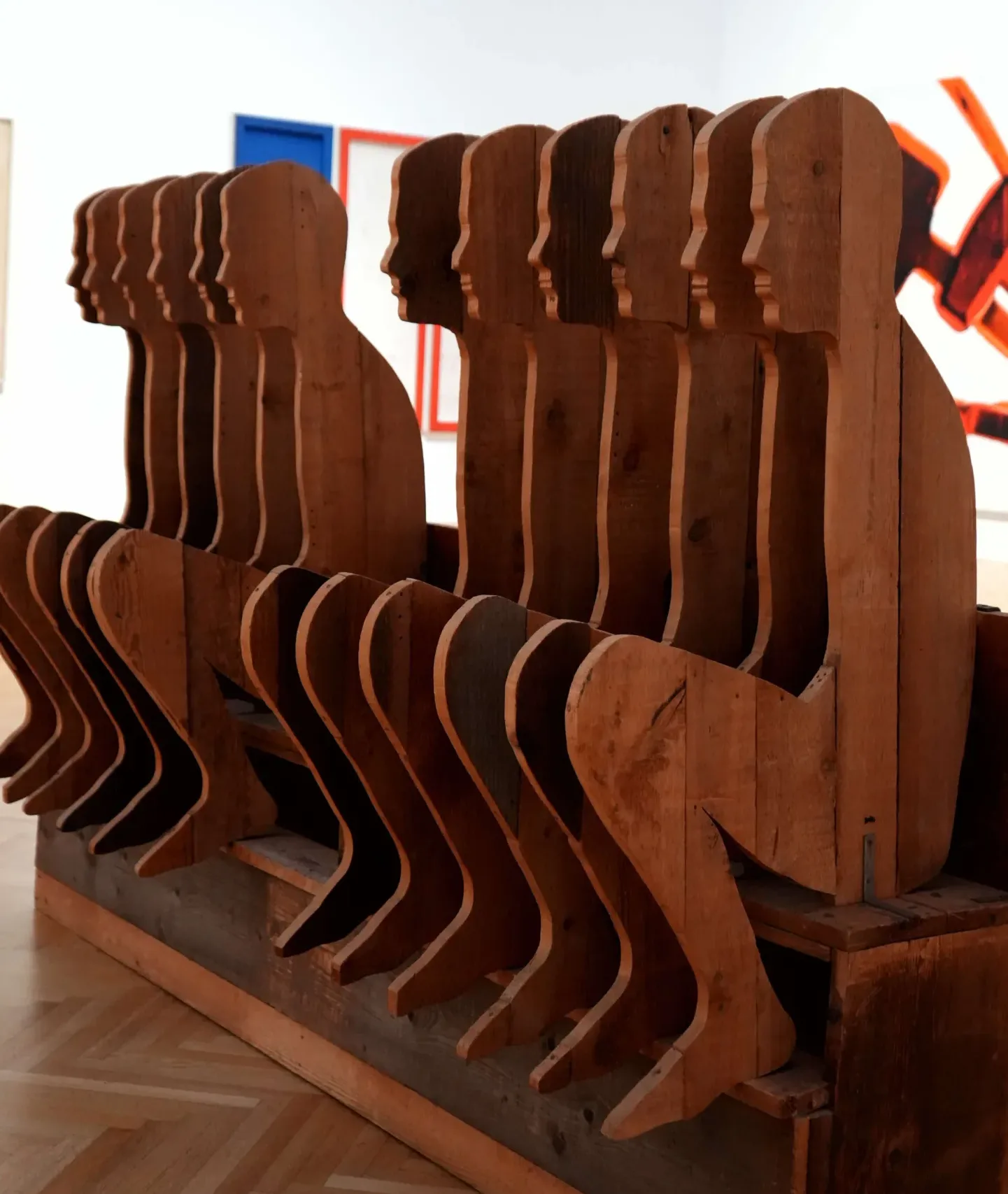
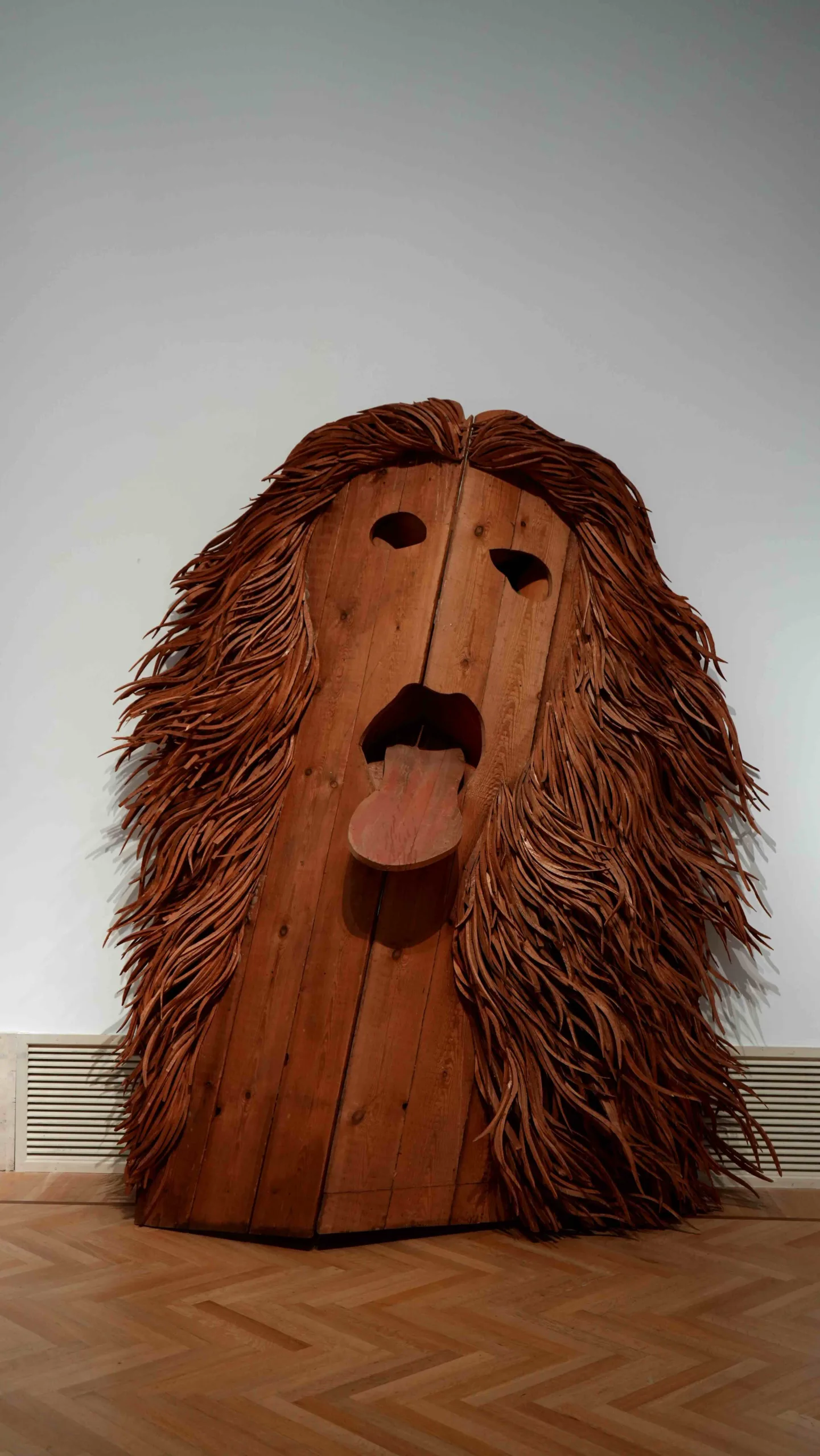
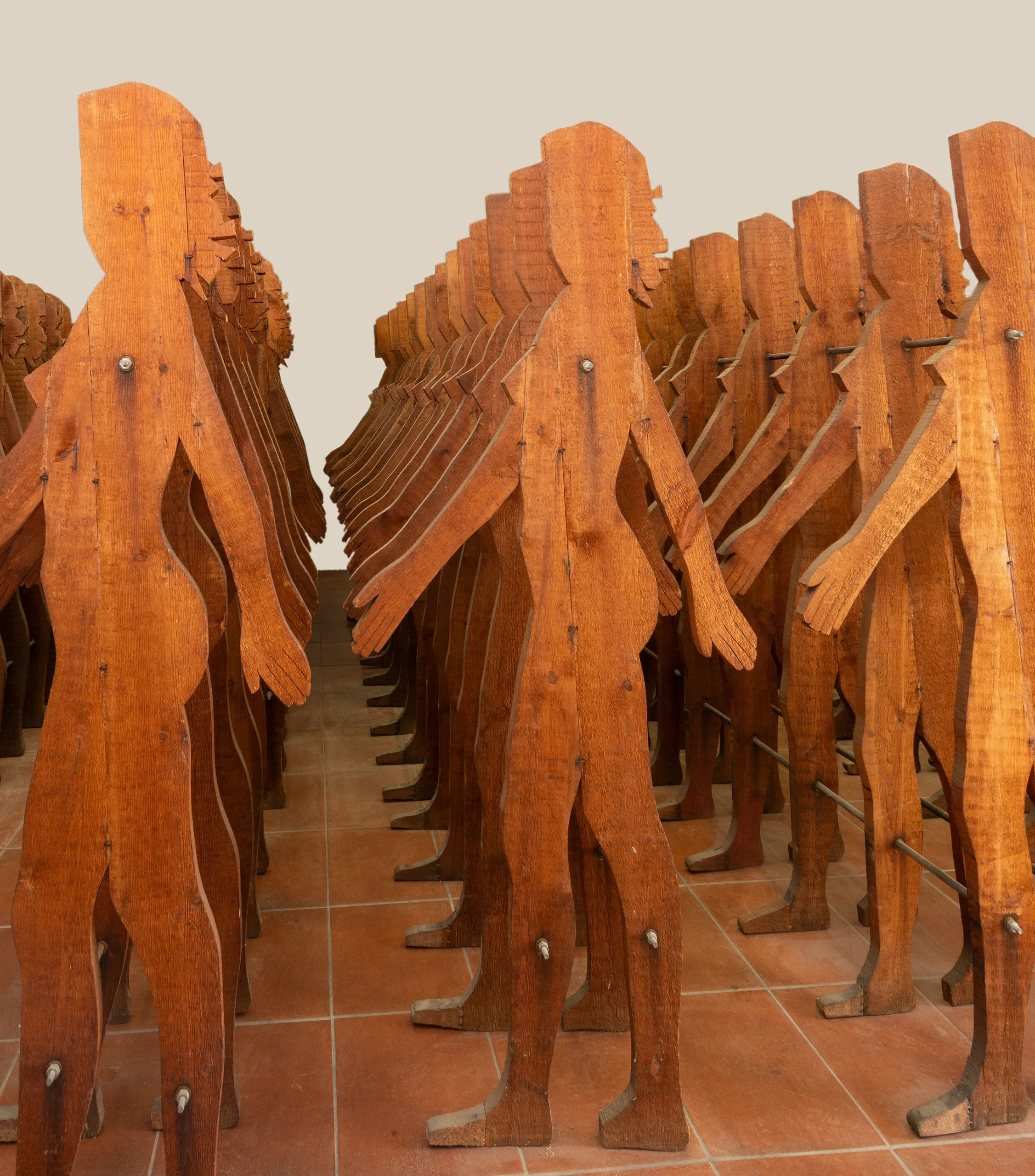
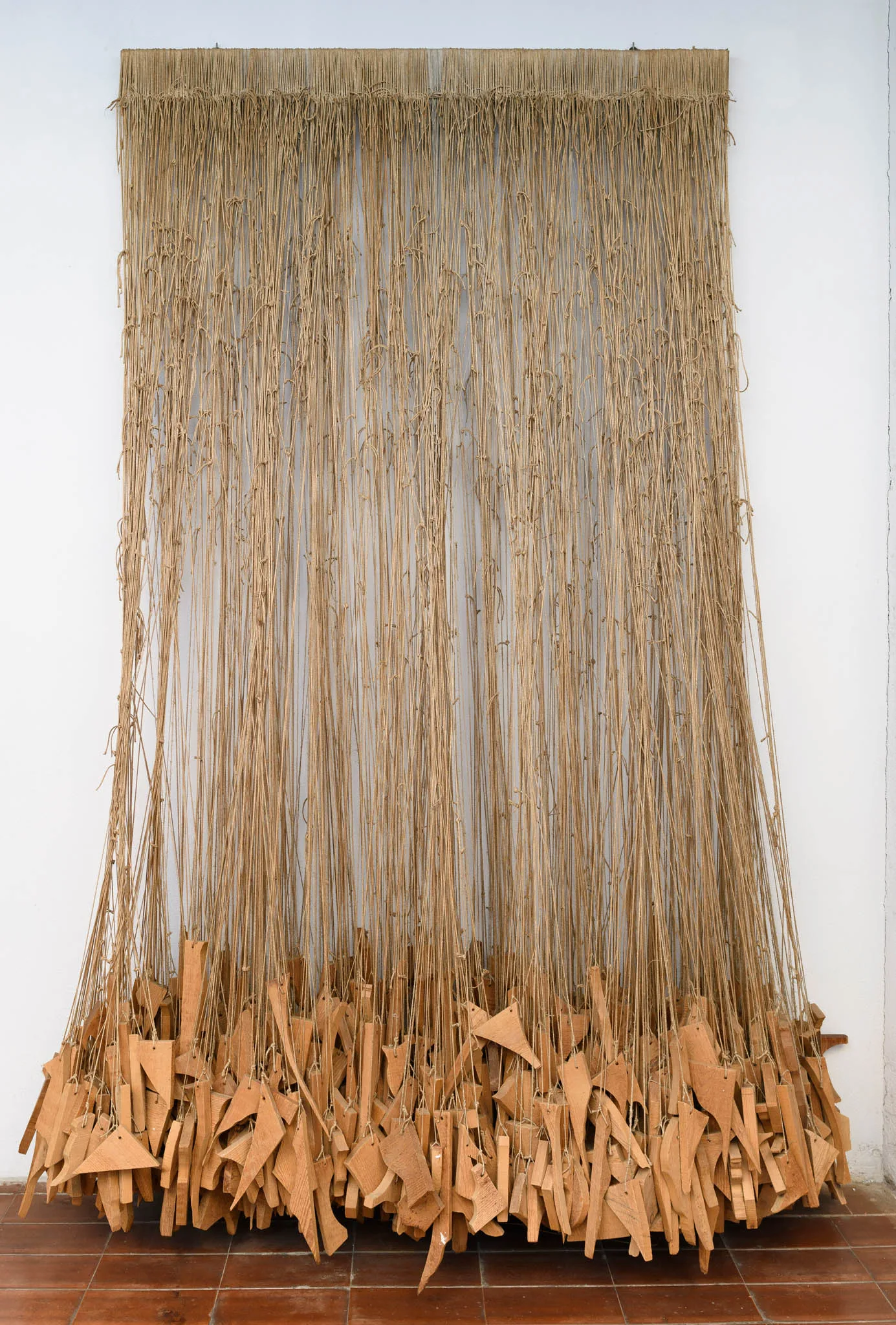
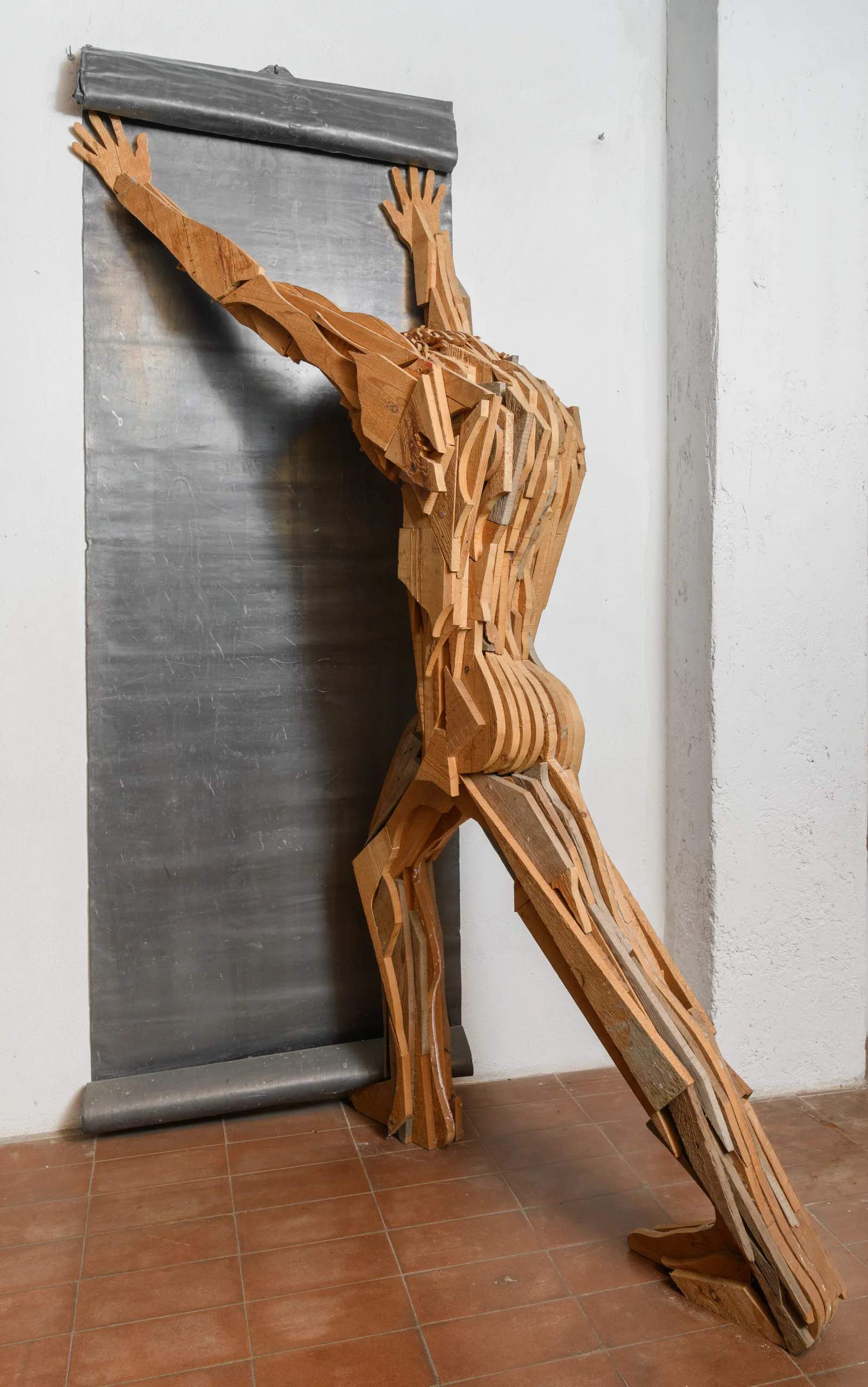
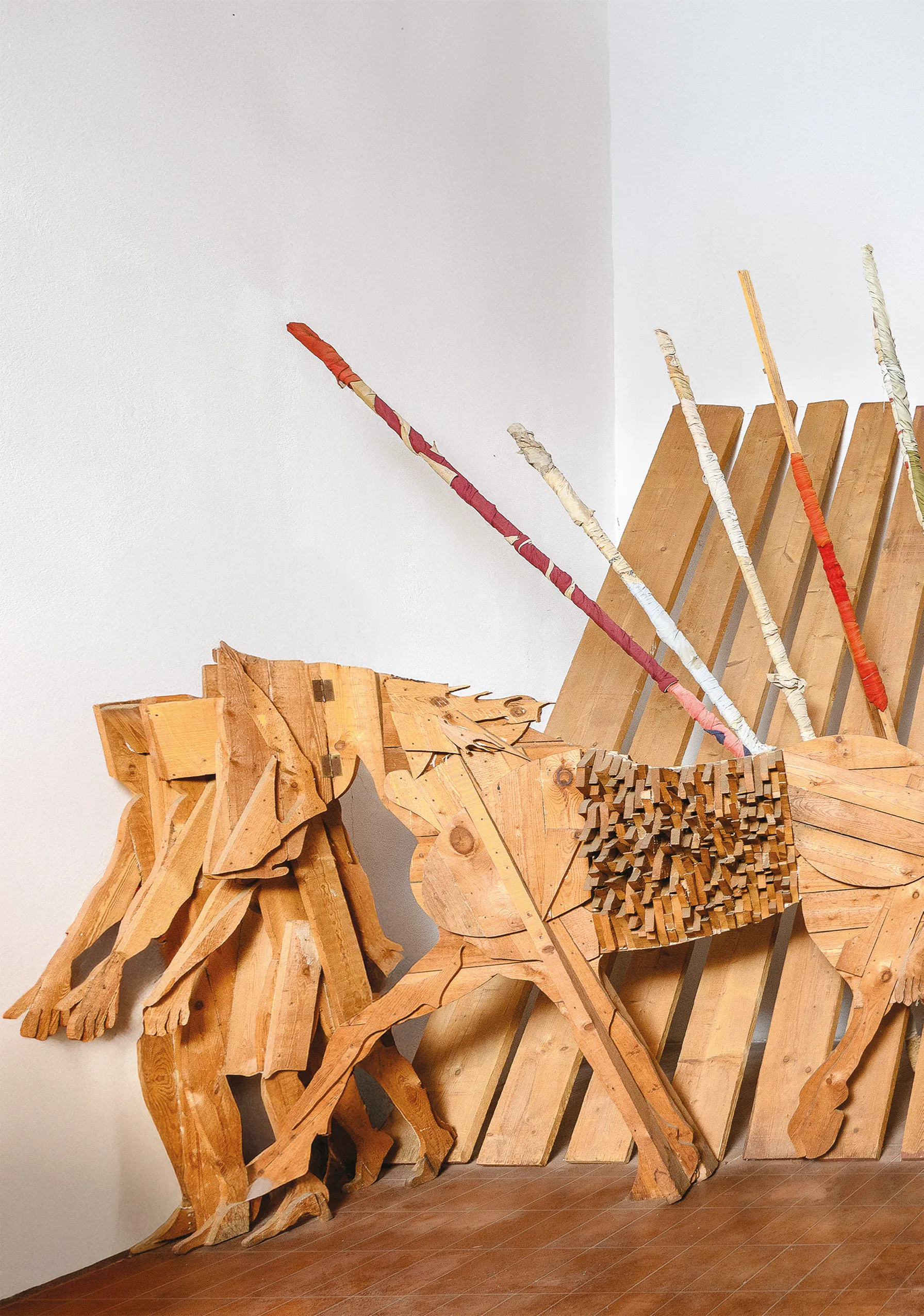
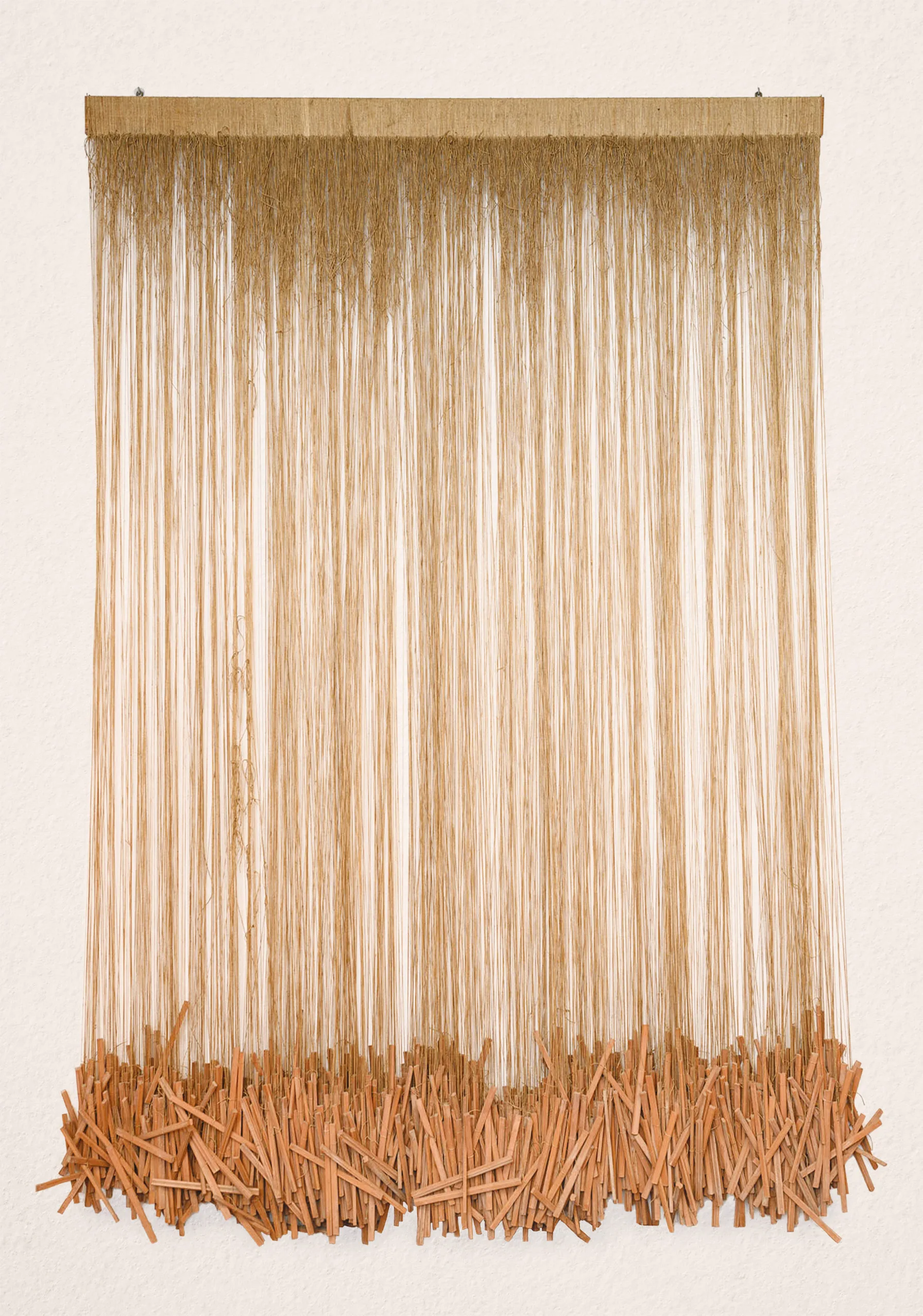
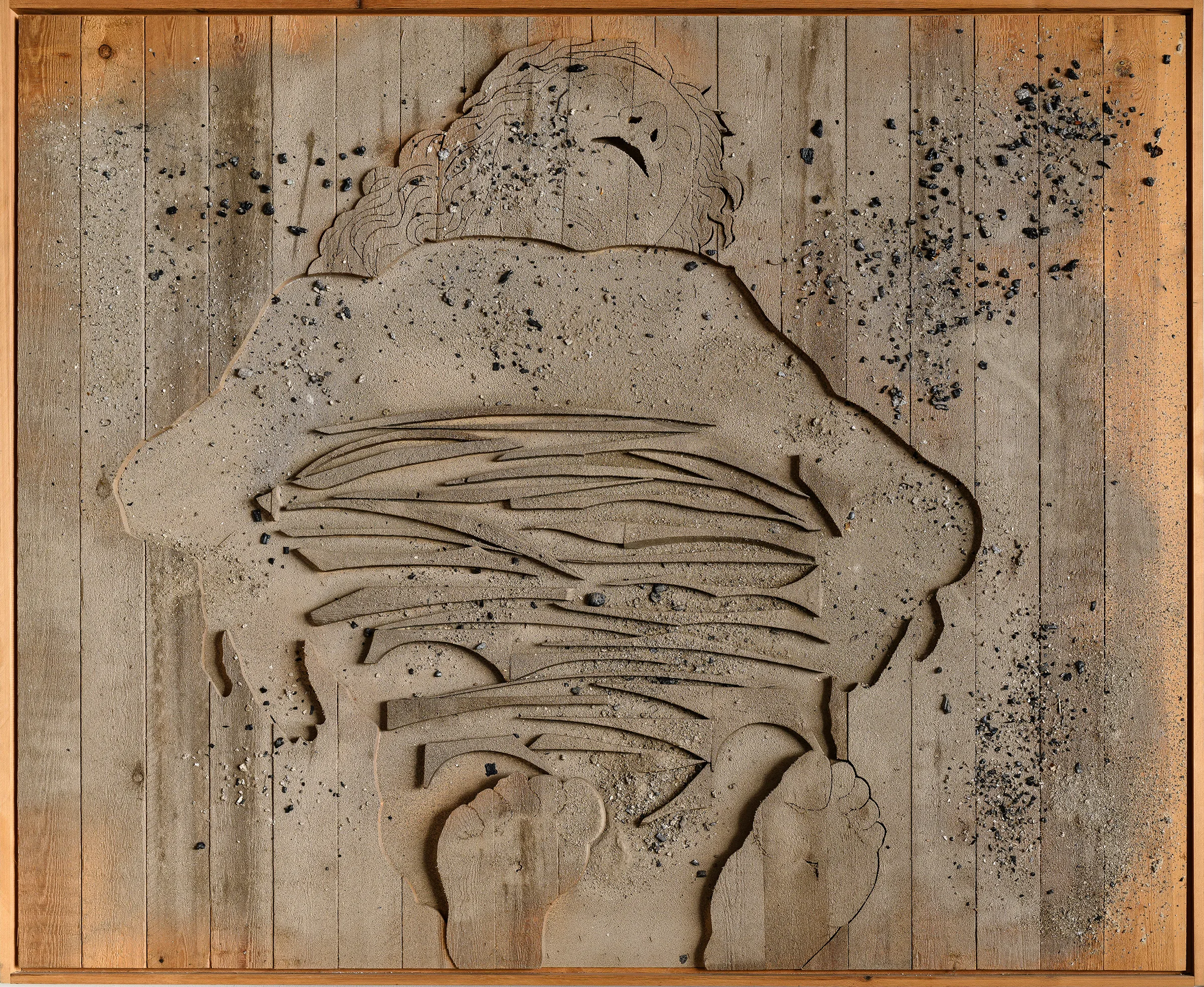
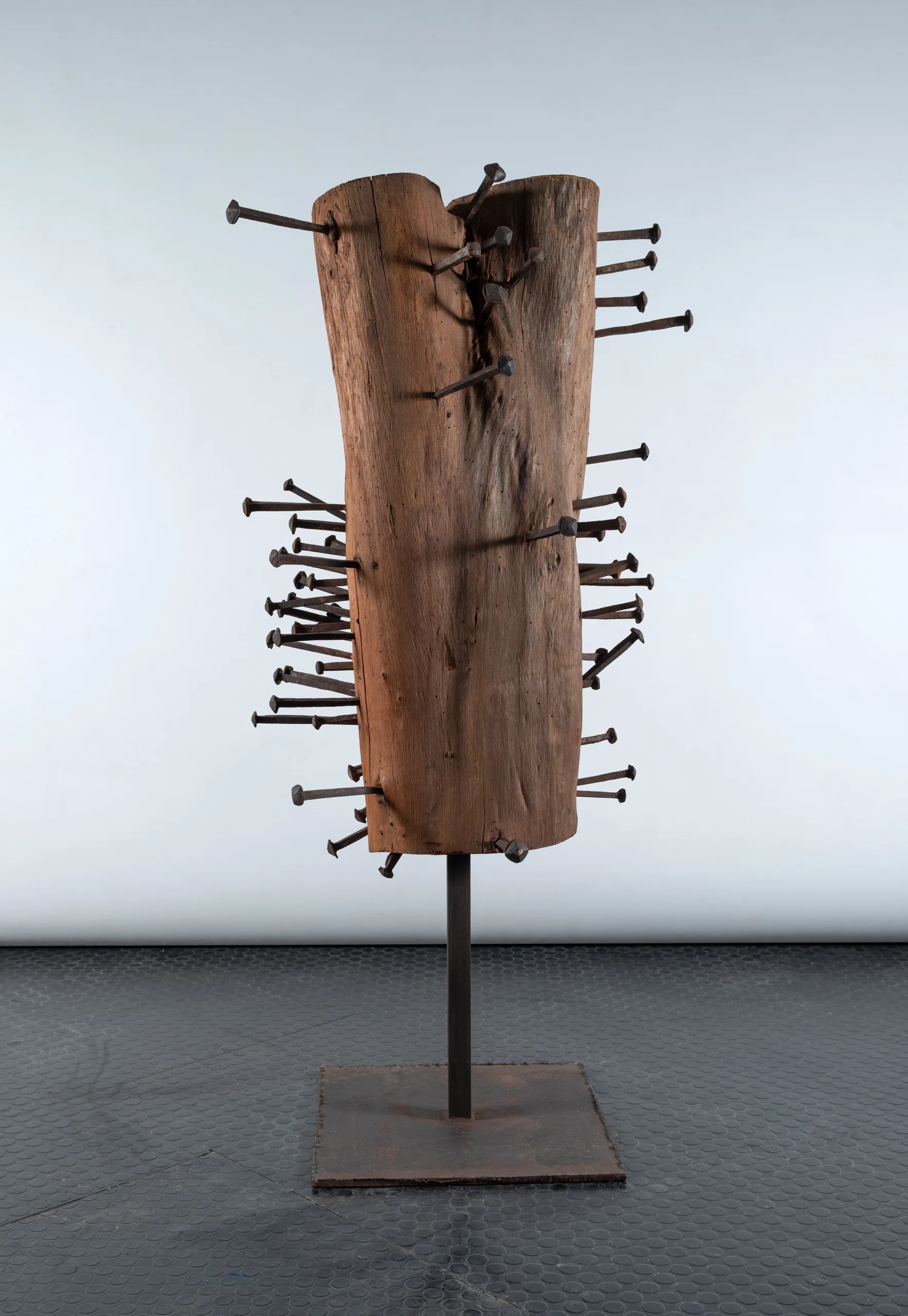
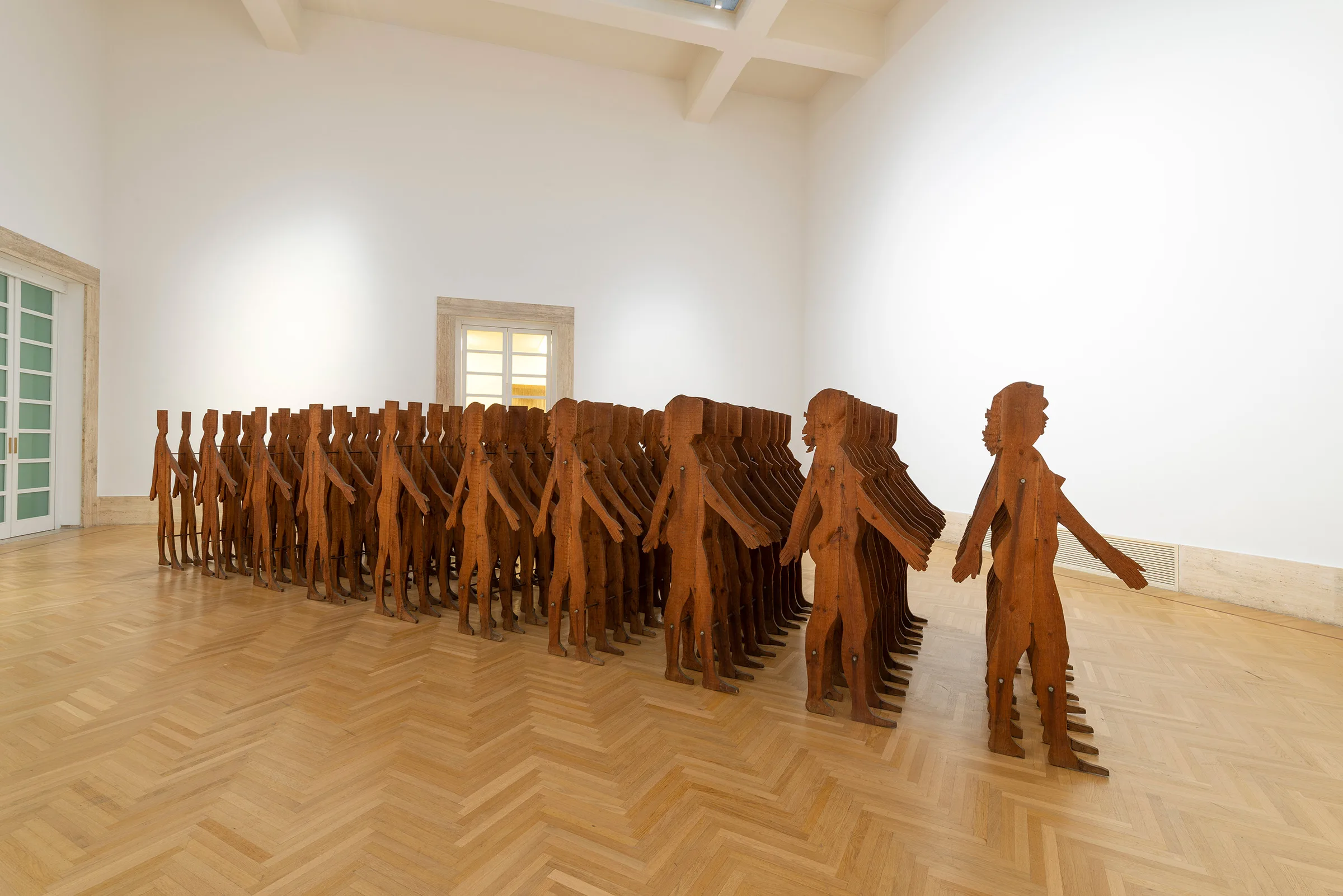
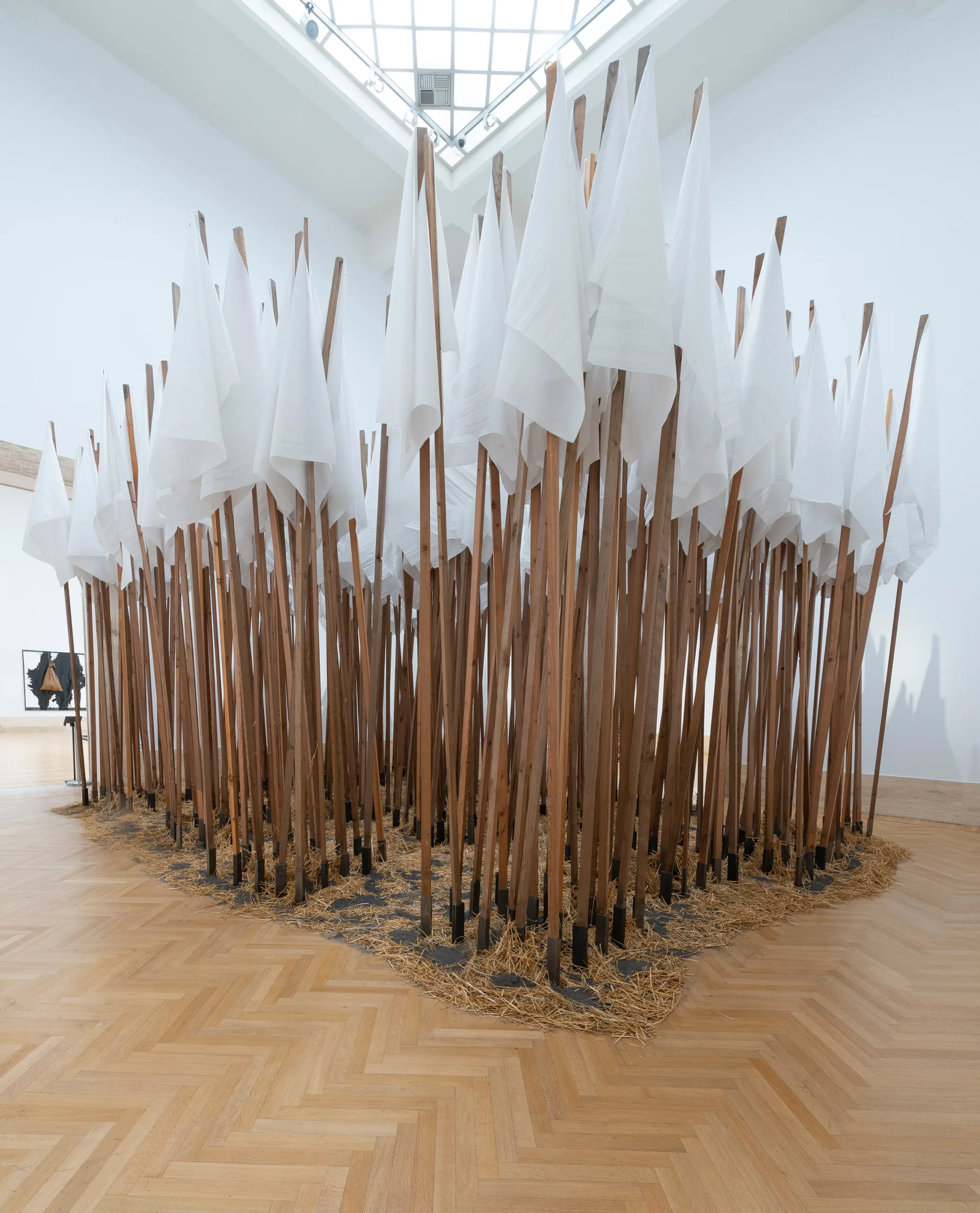
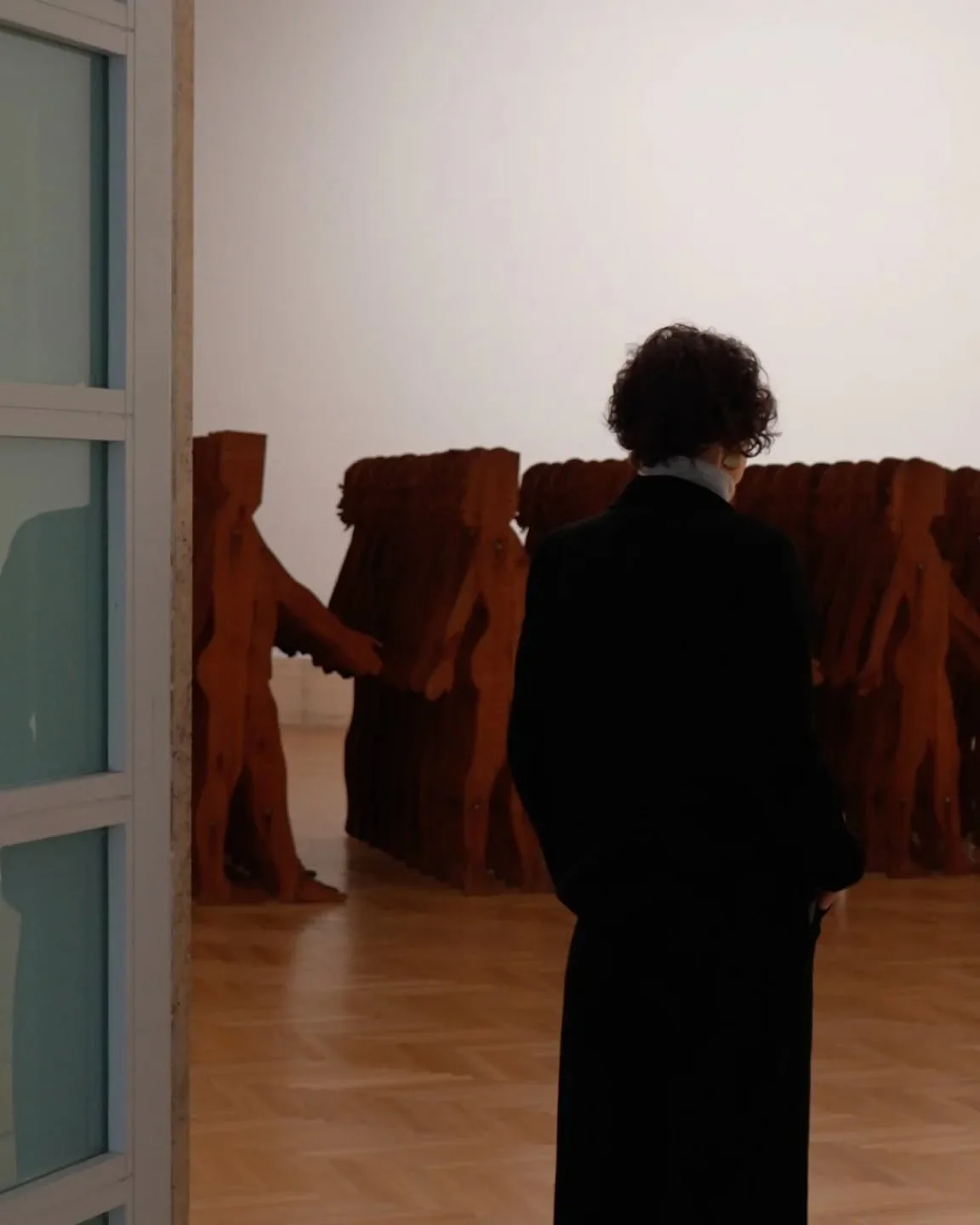
The exhibition route of CEROLI TOTALE (TOTAL CEROLI) unfolds through some of the most representative works in Mario Ceroli’s career, bringing historic pieces, monumental installations and creations rooted in the artist’s personal memories into dialogue. From the essential figures of Ultima cena (Last Supper, 1965) to the materials and colours of Le bandiere di tutto il mondo (The Flags of the Whole World, 1968), and the striking presence of Mangiafuoco (Fire-Eater, 1990), visitors enter a world in which wood, the artist’s material of choice, becomes narrative, symbol and a theatre of life. Throughout the exhibition, autobiography and collective imagination are closely interwoven. Works such as Tela di Penelope (Penelope’s Loom, 1992), inspired by memories of Ceroli’s childhood in Abruzzo and of his grandmother working at the loom, and Primavera (Spring, 1968), a tribute to the gardens of Palazzo Farnese that he frequented as a teenager, reveal the profound connection between lived experience and artistic creation. Alongside these are works of remarkable theatrical impact, including La battaglia (The Battle, 1978), a monumental reinterpretation of Paolo Uccello’s Battaglia di San Romano (The Battle of San Romano), and Composizione (Composition, 1957–1958), one of the artist’s earliest works made from nailed wooden logs, awarded a prize by Cesare Brandi and subsequently acquired by the Galleria. Taken together, the works span more than seventy years of artistic research, confirming Ceroli’s ability to engage with the history of Italian art while continually reinventing its languages, forms and visions.